
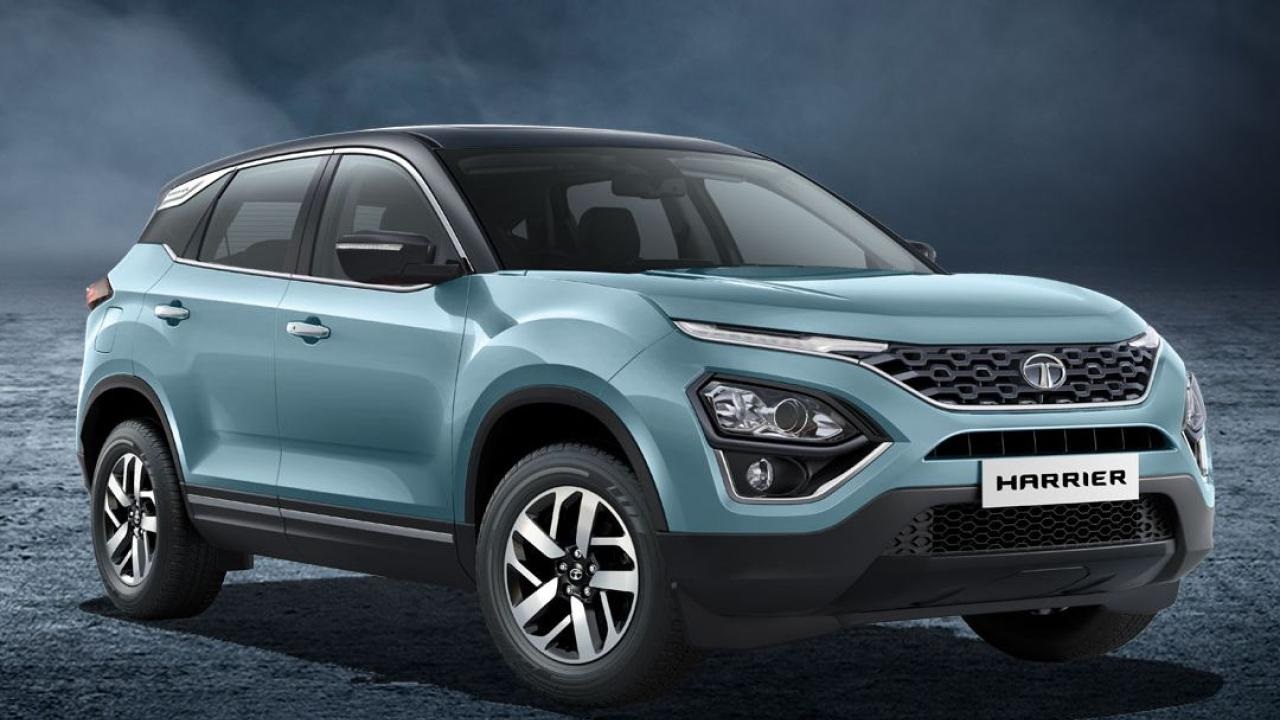
The wait might finally be over. After years of customer demand and multiple reports, the Tata Harrier petrol has officially been spotted testing on Indian roads. And yes, it’s the updated facelifted model not just a test mule from years ago. This is huge news not only for Tata fans but for the entire midsize SUV segment in India.
If you’re someone who’s always admired the Harrier’s design, road presence, and feature list but held back because it was diesel only, you’re going to love this development. The petrol powered Harrier could open doors for a much broader audience and make Tata’s flagship SUV even more competitive.
Let’s unpack what the latest spy shots reveal and what to expect from this upcoming variant.
Why a Petrol Harrier Now?
The original Harrier launched in 2019 with a Fiat sourced 2.0 litre Kryotec diesel engine. While the engine has been praised for its torque and highway manners, the absence of a petrol variant has been a noticeable gap especially at a time when more buyers are switching to petrol powered SUVs for better refinement, lower purchase cost, and urban usability.
Now, with the BS6 Phase 2 norms tightening emissions regulations, diesel demand is slowly declining in urban areas. This shift makes the Harrier petrol’s timing all the more strategic.
What We Know From the Spy Shots
The camouflaged Harrier spotted testing recently is clearly the updated facelift version launched in late 2023. This means the upcoming petrol version will retain all the aesthetic and feature upgrades we’ve already seen.
Key takeaways from the spied test vehicle:
- No visible exhaust smoke or diesel specific engine note, strongly suggesting a petrol powertrain
- The test mule uses the facelifted Harrier body, indicating the final production ready form
- Likely under testing for real world performance, NVH levels, and fuel efficiency calibration
Though Tata hasn’t made an official announcement yet, the sightings are a strong hint that the launch could be closer than we expect possibly in the second half of 2024.
Engine and Transmission Expectations
While Tata Motors hasn’t officially confirmed engine specs, there’s already plenty of buzz around the potential powerplant.
What we expect:
- 1.5 litre turbo petrol engine, co developed in house by Tata
- Estimated output: ~170 PS and 280 Nm of torque
- Transmission options could include a 6 speed manual and 6 speed torque converter automatic
This engine was showcased earlier at the Auto Expo, and it’s designed to power larger Tata models like the Harrier and Safari. With a power figure that rivals other midsize SUVs like the MG Hector and Mahindra XUV700 petrol variants, the Harrier could finally become a strong petrol alternative in the premium segment.
Design, Features, and Interior
Since the petrol variant is based on the facelifted Harrier, expect no design compromise. That means sharp DRLs, full width LED light bar, redesigned grille, and new alloys will all carry forward. Even inside, the cabin is expected to be a premium affair.
Interior features likely to be carried over:
- 12.3 inch touchscreen infotainment system with wireless Android Auto and Apple CarPlay
- 10.25 inch digital instrument cluster
- Panoramic sunroof
- Ventilated front seats
- ADAS features including lane assist, adaptive cruise control, and auto emergency braking
- Premium upholstery with ambient lighting and a high end JBL sound system
Tata is not expected to skimp on features in the petrol variant, making it a value rich proposition right out of the gate.
How Will This Impact Tata’s SUV Lineup?
Adding a petrol variant to the Harrier lineup gives Tata two big advantages:
- It lowers the entry barrier, making the Harrier accessible to buyers who either don’t want or can’t opt for a diesel due to city regulations.
- It boosts export potential, as global markets increasingly favor petrol and hybrid powertrains.
This move could also pave the way for a petrol powered Safari in the near future, possibly sharing the same engine.
Competition Check: Where Will the Petrol Harrier Stand?
The midsize SUV segment is crowded but dynamic. Tata’s diesel Harrier already competes with the likes of the MG Hector, Hyundai Creta, Kia Seltos, and Mahindra XUV700. Most of these rivals already offer both petrol and diesel options, giving them an edge in flexibility. The arrival of a Harrier petrol finally levels that playing field.
Key rivals for Harrier petrol:
- MG Hector 1.5 turbo petrol
- Mahindra XUV700 2.0 turbo petrol
- Hyundai Creta 1.5 turbo petrol
- Jeep Compass 1.4 turbo petrol (discontinued but may return)
- Toyota Hyryder (petrol hybrid setup)
With its bold styling and now dual powertrain options, the Harrier could offer a more well rounded alternative than ever before.
Expected Launch Timeline and Pricing
While Tata hasn’t announced any official launch window, the testing phase suggests that the Harrier petrol could debut in late 2024 or early 2025.
Estimated pricing:
₹15.50 lakh to ₹22 lakh (ex showroom), depending on variant and transmission
That would position it just right to challenge petrol trims of rivals like the MG Hector and Mahindra XUV700.
How It Stacks Up
The midsize SUV segment is a battlefield, with the Mahindra XUV700, MG Hector, and Hyundai Creta leading the charge. Here’s how the Harrier Petrol could shake things up:
- Vs. XUV700: Harrier’s 170 bhp edges out XUV700’s 1.5L (150 bhp), plus a lower price.
- Vs. Hector: Matches Hector’s petrol power but with Tata’s sharper design and safety.
- Vs. Creta: Creta’s 1.5L turbo is weaker (160 bhp); Harrier offers more for less.
I’ve always thought the Harrier’s road presence beats the Creta’s softer look. With petrol power and a killer price, it could steal some serious market share from these giants.
Why This Launch Is Huge
Tata’s been diesel focused for too long, and the Harrier’s sales while strong could soar with a petrol option. Rivals have been cashing in on petrol’s popularity, and Tata’s finally ready to fight back. A lower starting price could make the Harrier a go to for first time SUV buyers or families wanting premium vibes on a budget.
I’m pumped because this move shows Tata’s listening to the market. It’s not just about adding an engine it’s about making the Harrier a contender for everyone, not just diesel diehards.
Any Catches?
Nothing’s perfect. The 1.5L engine might feel a tad underpowered for hardcore performance fans compared to, say, the XUV700’s 2.0L turbo. Also, until Tata confirms pricing and mileage, we’re guessing a bit. And with the Harrier EV also on the horizon, some buyers might hold off for electric.
Final Verdict: Why the Harrier Petrol Matters More Than Ever
This isn’t just a new engine option. The Tata Harrier petrol represents a turning point for Tata’s SUV strategy. It brings in new buyers, responds to evolving market demands, and gives Tata a fighting chance in urban markets where petrol is king.
If the 1.5L turbo petrol delivers on performance and refinement, Tata could have a serious winner on its hands. And for buyers who’ve been holding back on the Harrier just because it was diesel only, this could be the moment they’ve been waiting for.
Keep your eyes peeled. The Harrier petrol is shaping up to be one of the most anticipated launches in Tata’s recent history.

You’re a motorcycle nut like me, always on the lookout for the next ride that’s going to make your heart Read more

Toyota has officially pulled the wraps off a new GR86 Special Edition, and it is everything a driving enthusiast could Read more

The Tata Curvv, one of the brand’s most anticipated upcoming SUVs, has been spotted once again during testing. But this Read more

In a major leap for India’s aerospace manufacturing ambitions, Mahindra has signed a landmark deal with Airbus to manufacture helicopter Read more

At AutoTechXpert.in, we're passionate about all things automotive—from the latest car launches and cutting-edge EV tech to in-depth reviews and performance insights. Our editorial team is made up of seasoned auto journalists, tech enthusiasts, and driving purists who live and breathe the road. With years of industry experience, we break down complex car jargon into real, relatable advice to help you make smarter automotive decisions.