
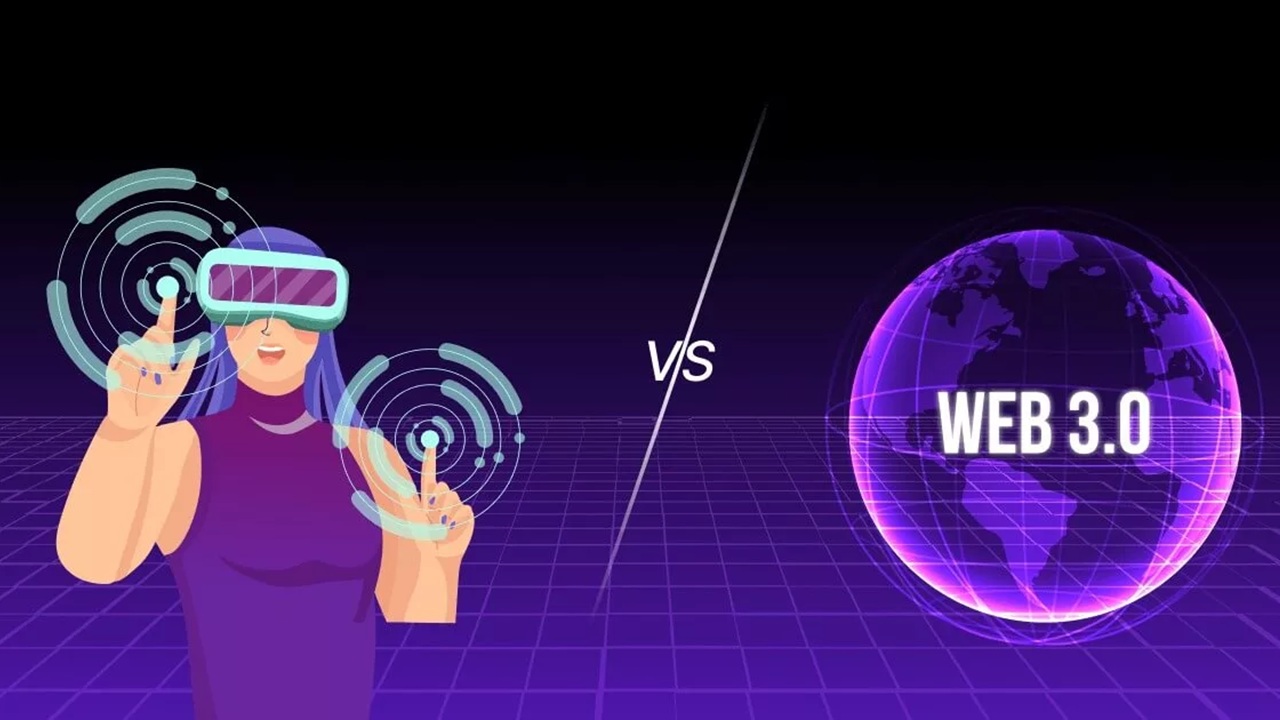
For years, the idea of a fully immersive digital world has hovered somewhere between science fiction and ambitious tech demos. We were promised a future where people could work, socialize, and build entire economies inside virtual spaces. Yet, despite billions of dollars invested and countless headlines, the early versions of the metaverse felt incomplete. Clunky experiences, limited interoperability, and a heavy reliance on centralized platforms left many wondering if the vision had been oversold.
Now, in 2026, the conversation has shifted. The term “Metaverse 2.0” is gaining traction, and it is closely tied to Web3 principles like decentralization, digital ownership, and open ecosystems. The big question is no longer whether the metaverse will exist, but whether it can finally become decentralized, user-owned, and truly immersive.
What Is Metaverse 2.0 and How Is It Different?

The first wave of the metaverse was dominated by large tech companies trying to build closed ecosystems. Platforms controlled identities, assets, and even the rules of interaction. Users could participate, but they did not truly own anything within those worlds.
Metaverse 2.0 attempts to flip that model. Instead of centralized control, it leans on blockchain technology and Web3 infrastructure. This means users can own digital assets such as land, avatars, and items through wallets rather than platform accounts. In theory, those assets can move across different virtual worlds without losing value or identity.
Another key shift is interoperability. Earlier metaverse platforms operated like isolated islands. Today, developers are actively working on standards that allow different virtual environments to connect. While still in progress, this push is critical because it determines whether the metaverse becomes a unified ecosystem or remains fragmented.
The Role of Web3 in Building a Decentralized VR Future
Web3 introduces the idea that users should have control over their data and digital identities. In the context of virtual reality, this becomes even more important. Imagine attending a virtual concert or running a business in a digital world where your assets are locked to one platform. If that platform shuts down, everything disappears.
Blockchain technology solves part of this problem by creating verifiable ownership. NFTs, often misunderstood as just collectibles, are actually a core component of this system. They allow digital items to be unique, traceable, and transferable across platforms.
Smart contracts also play a role by enabling decentralized economies. Virtual marketplaces can function without intermediaries, allowing creators to earn directly from their work. This is especially relevant for artists, developers, and content creators who want to monetize their contributions without relying on centralized platforms.
However, it is important to be realistic. While the infrastructure exists, scalability and user experience still need improvement. Transactions can be slow or expensive depending on the network, and onboarding new users remains a challenge.
Why Virtual Reality Matters More Than Ever
The metaverse is not just about owning digital assets. It is about presence. Virtual reality brings a level of immersion that traditional screens cannot replicate. When combined with decentralized systems, VR becomes more than entertainment. It becomes a new layer of the internet.
Recent improvements in VR hardware have made devices lighter, more affordable, and more accessible. This has helped reduce one of the biggest barriers to entry. At the same time, mixed reality features are blending physical and digital environments, making the transition into virtual spaces feel more natural.
In practical terms, this means people can collaborate in virtual offices, attend global events without travel, and even build businesses that operate entirely in digital environments. For many users, especially younger generations, these experiences are becoming increasingly normal.
The Rise of Digital Ownership and Creator Economies
One of the strongest arguments for a decentralized metaverse is the shift toward creator-driven economies. In traditional platforms, creators often depend on algorithms and platform policies that can change overnight. Revenue sharing is limited, and control is minimal.
Web3 changes that dynamic. Creators can mint their work, set their own terms, and receive royalties automatically through smart contracts. This creates a more direct relationship between creators and their audiences.
For example, a virtual fashion designer can sell wearable items for avatars across multiple platforms. A game developer can create assets that users truly own and trade freely. These opportunities are still evolving, but they point toward a more open and flexible digital economy.
That said, not every project delivers on these promises. The space is still filled with speculation, and many platforms struggle to maintain long-term value. Users are becoming more cautious, focusing on utility rather than hype.
Challenges Holding Back Decentralized VR
Despite the progress, several obstacles remain. The idea of a fully decentralized metaverse sounds appealing, but it is difficult to execute at scale.
First, there is the issue of performance. VR environments require high computational power and low latency. Integrating blockchain systems into these environments without slowing them down is a technical challenge.
Second, user experience is still not where it needs to be. Setting up wallets, managing private keys, and understanding blockchain concepts can be overwhelming for new users. For mass adoption, these processes need to become almost invisible.
Third, regulation is an emerging concern. Governments around the world are starting to pay closer attention to digital assets and virtual economies. Clear guidelines are necessary, but too much regulation could limit innovation.
Finally, there is the question of interoperability. While many projects claim to support cross-platform assets, true interoperability requires industry-wide standards that are still being developed.
Are We Finally Close to a Real Metaverse?
The honest answer is yes and no. The building blocks are stronger than ever, and the vision is clearer than it was just a few years ago. Web3 has introduced real ownership, VR has improved immersion, and developers are actively working toward open ecosystems.
At the same time, the metaverse is not a finished product waiting to be launched. It is an ongoing evolution. Many of the current platforms represent early versions rather than final solutions.
What feels different in 2026 is the shift in mindset. Instead of chasing a single, all-encompassing virtual world, the focus is now on interconnected experiences. This approach may be less flashy, but it is more practical and sustainable.
What This Means for Businesses and Users
For businesses, the decentralized metaverse offers new ways to engage with customers. Brands can create immersive experiences, launch virtual products, and build communities that extend beyond traditional platforms. Early adopters have the advantage of experimenting while the space is still developing.
For users, the benefits are more personal. Greater control over digital identities, the ability to own and trade assets, and access to global experiences are all part of the appeal. However, users also need to be aware of the risks, including security concerns and market volatility.
The key is balance. Embracing new technologies while staying informed and cautious will help users navigate this evolving landscape.
The Road Ahead
Decentralized virtual reality is no longer just an idea. It is a work in progress, shaped by developers, creators, and users around the world. The combination of Web3 and advanced VR technologies has created a foundation that could redefine how we interact with the internet.
Still, it is important to avoid exaggerated expectations. The metaverse will not replace the physical world, nor will it become perfect overnight. Instead, it will grow gradually, improving with each iteration.
If the current trends continue, the next few years could bring significant breakthroughs. Better hardware, smoother user experiences, and stronger interoperability could push the metaverse closer to its original vision.
For now, the most accurate way to describe Metaverse 2.0 is this: it is no longer a distant dream, but it is not fully realized either. It sits in that interesting space where experimentation meets real-world application.
And perhaps that is exactly where meaningful innovation happens.
A few years ago, artificial intelligence felt like something happening in the background. It powered recommendations, filtered spam, and helped Read more

For years, quantum computing felt like something locked behind laboratory doors, discussed in research papers and theoretical debates rather than Read more

Walk into any modern home, office, or even a small café in 2026, and you will notice something quietly powerful Read more
A few years ago, the idea of controlling a computer with your thoughts sounded like pure science fiction. Today, it Read more

At AutoTechXpert.in, we're passionate about all things automotive—from the latest car launches and cutting-edge EV tech to in-depth reviews and performance insights. Our editorial team is made up of seasoned auto journalists, tech enthusiasts, and driving purists who live and breathe the road. With years of industry experience, we break down complex car jargon into real, relatable advice to help you make smarter automotive decisions.