
Walk into any modern home, office, or even a small café in 2026, and you will notice something quietly powerful happening. Technology is no longer just about speed, entertainment, or convenience. It is becoming a key player in the fight against climate change. From the way we generate electricity to how we travel and even how we grow food, green technology is reshaping everyday life in ways that felt distant just a decade ago.
Climate change is no longer a future concern. Rising temperatures, unpredictable weather, and growing environmental awareness have pushed governments, companies, and individuals to rethink how we use resources. What makes 2026 different is not just awareness but action. Sustainable tech has moved from niche innovation to mainstream adoption, and that shift is making a real impact.
The Rise of Sustainable Technology in Everyday Life

A few years ago, terms like renewable energy or carbon footprint were mostly discussed in policy circles or environmental forums. Today, they are part of daily conversations. People are checking energy usage on their phones, choosing electric vehicles, and even investing in solar panels for their homes.
One reason for this shift is accessibility. Green technology is no longer expensive or complicated. Solar panels are more affordable, electric vehicles have better range, and smart home devices make it easier to track and reduce energy consumption. In simple terms, doing the right thing for the planet is becoming easier for the average person.
There is also a strong emotional factor. Many people today want to feel that their choices matter. Switching to sustainable options gives a sense of contribution, even if it is small. Over time, these small actions add up to meaningful change.
Renewable Energy Leading the Charge
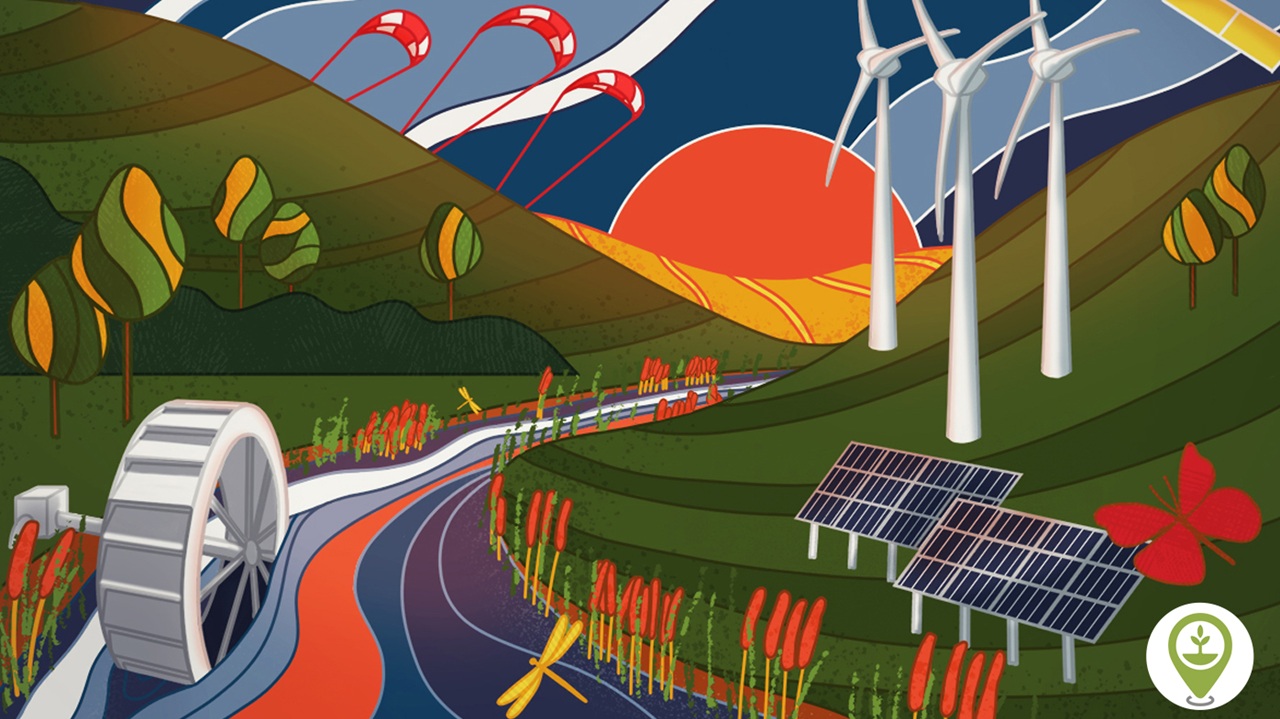
Renewable energy remains at the heart of sustainable technology. In 2026, solar and wind energy are not just alternatives. They are becoming primary energy sources in many regions.
Solar panels are now more efficient than ever. They work better in low light conditions and require less space, making them suitable for urban environments. You can see them not just on rooftops but also integrated into windows, building materials, and even portable devices.
Wind energy has also evolved. Modern turbines are quieter, more efficient, and capable of generating power even at lower wind speeds. Offshore wind farms are expanding rapidly, producing large amounts of clean energy without taking up valuable land space.
Energy storage is another breakthrough area. Advanced battery systems allow excess energy to be stored and used when needed. This solves one of the biggest challenges of renewable energy, which is consistency. With better storage, renewable sources can provide reliable power around the clock.
Electric Vehicles Changing the Way We Travel
Transportation has long been a major contributor to carbon emissions. In 2026, electric vehicles are transforming this sector at an impressive pace.
Electric cars are no longer seen as luxury items. They are becoming practical choices for families, commuters, and even businesses. Charging infrastructure has improved significantly, with fast charging stations available in cities and along highways.
Battery technology is also advancing. Vehicles now offer longer ranges, faster charging times, and better durability. This has removed one of the biggest concerns people had about switching to electric mobility.
Public transportation is also going green. Electric buses, trains, and even bikes are becoming more common. Some cities are experimenting with fully electric public transport systems, reducing urban pollution and improving air quality.
There is also a shift in mindset. People are starting to view transportation not just as a necessity but as a responsibility. Choosing cleaner options is becoming part of a broader lifestyle change.
Smart Cities and Energy Efficiency
Cities are at the center of climate action. With growing populations, urban areas consume a large portion of global energy. In 2026, smart city technologies are helping reduce this impact.
Smart grids are one of the key innovations. They use data and automation to optimize energy distribution, reduce waste, and integrate renewable sources more effectively. This means energy is used more efficiently, and outages are minimized.
Buildings are also becoming smarter. Energy efficient designs, automated lighting, and climate control systems ensure that resources are not wasted. Some buildings even generate their own energy, reducing reliance on external sources.
Street lighting is another simple but powerful example. LED lights with sensors adjust brightness based on activity, saving energy without compromising safety.
Waste management is improving as well. Smart bins, recycling technologies, and waste to energy systems are helping cities handle waste more sustainably.
Green Technology in Agriculture
Agriculture might not be the first thing that comes to mind when thinking about technology, but it is undergoing a major transformation.
In 2026, farmers are using advanced tools to grow more food with fewer resources. Precision agriculture uses sensors, drones, and data analysis to monitor soil health, water usage, and crop growth. This allows farmers to make better decisions and reduce waste.
Vertical farming is gaining popularity in urban areas. Crops are grown indoors in controlled environments, using less water and no harmful chemicals. This reduces the need for long distance transportation and ensures fresh produce is available locally.
There is also a growing focus on sustainable practices. Organic farming, reduced pesticide use, and soil conservation techniques are becoming more common. Technology is supporting these efforts by making them more efficient and scalable.
The Role of Artificial Intelligence in Climate Solutions
Artificial intelligence is playing a surprisingly important role in sustainable technology. It is helping analyze complex data, predict environmental changes, and optimize systems.
For example, AI can forecast energy demand and adjust supply accordingly. It can also improve the efficiency of renewable energy systems by predicting weather patterns and optimizing performance.
In industries, AI is helping reduce waste and improve efficiency. Manufacturing processes are becoming more precise, using fewer resources and generating less pollution.
Even climate research is benefiting. Scientists are using AI to model climate scenarios and develop better strategies for mitigation and adaptation.
Challenges That Still Exist
Despite the progress, sustainable technology is not without challenges. One major issue is the initial cost of implementation. While prices are decreasing, some technologies still require significant investment.
There is also the question of scalability. Not all regions have the infrastructure or resources to adopt green technologies at the same pace. Developing countries, in particular, face unique challenges.
Another concern is resource dependency. Some green technologies rely on rare materials, which can create environmental and ethical issues if not managed properly.
Awareness and education also play a role. People need to understand how to use these technologies effectively to maximize their benefits.
What the Future Looks Like
Looking ahead, the role of sustainable technology will only grow stronger. Innovations are happening at a rapid pace, and new solutions are emerging every year.
Hydrogen energy, carbon capture, and advanced recycling technologies are some of the areas gaining attention. These could further reduce emissions and help achieve climate goals.
Collaboration will be key. Governments, businesses, and individuals need to work together to create a sustainable future. Policies, incentives, and community initiatives can accelerate the adoption of green technologies.
There is also a cultural shift happening. Sustainability is no longer just a trend. It is becoming a core value for many people, especially younger generations.
A Human Perspective on Sustainable Tech
It is easy to think of green technology as something distant or highly technical. But in reality, it is deeply personal. It affects the air we breathe, the food we eat, and the environment we live in.
Consider something as simple as a solar powered home. It not only reduces electricity bills but also gives a sense of independence and responsibility. Or think about choosing an electric vehicle. It is not just about saving fuel costs but also about contributing to cleaner air in your community.
These small choices create a ripple effect. When more people adopt sustainable practices, it encourages others to follow. Over time, this collective effort leads to significant change.
Conclusion
In 2026, sustainable technology is no longer a concept of the future. It is a reality that is shaping the present. From renewable energy and electric vehicles to smart cities and sustainable agriculture, green technology is addressing some of the biggest challenges of our time.
The journey is far from complete, but the progress is encouraging. With continued innovation, awareness, and collaboration, technology can play a crucial role in fighting climate change.
The most important thing to remember is that every action counts. Whether it is adopting a new technology or making a small lifestyle change, each step contributes to a larger goal. A cleaner, healthier, and more sustainable world is not just possible. It is already in the making.

Walk into any electronics store today and you will see rows of sleek laptops and compact desktops that look impressive Read more

A few years ago, artificial intelligence felt like something happening in the background. It powered recommendations, filtered spam, and helped Read more

For years, quantum computing felt like something locked behind laboratory doors, discussed in research papers and theoretical debates rather than Read more

For years, the idea of a fully immersive digital world has hovered somewhere between science fiction and ambitious tech demos. Read more

At AutoTechXpert.in, we're passionate about all things automotive—from the latest car launches and cutting-edge EV tech to in-depth reviews and performance insights. Our editorial team is made up of seasoned auto journalists, tech enthusiasts, and driving purists who live and breathe the road. With years of industry experience, we break down complex car jargon into real, relatable advice to help you make smarter automotive decisions.