
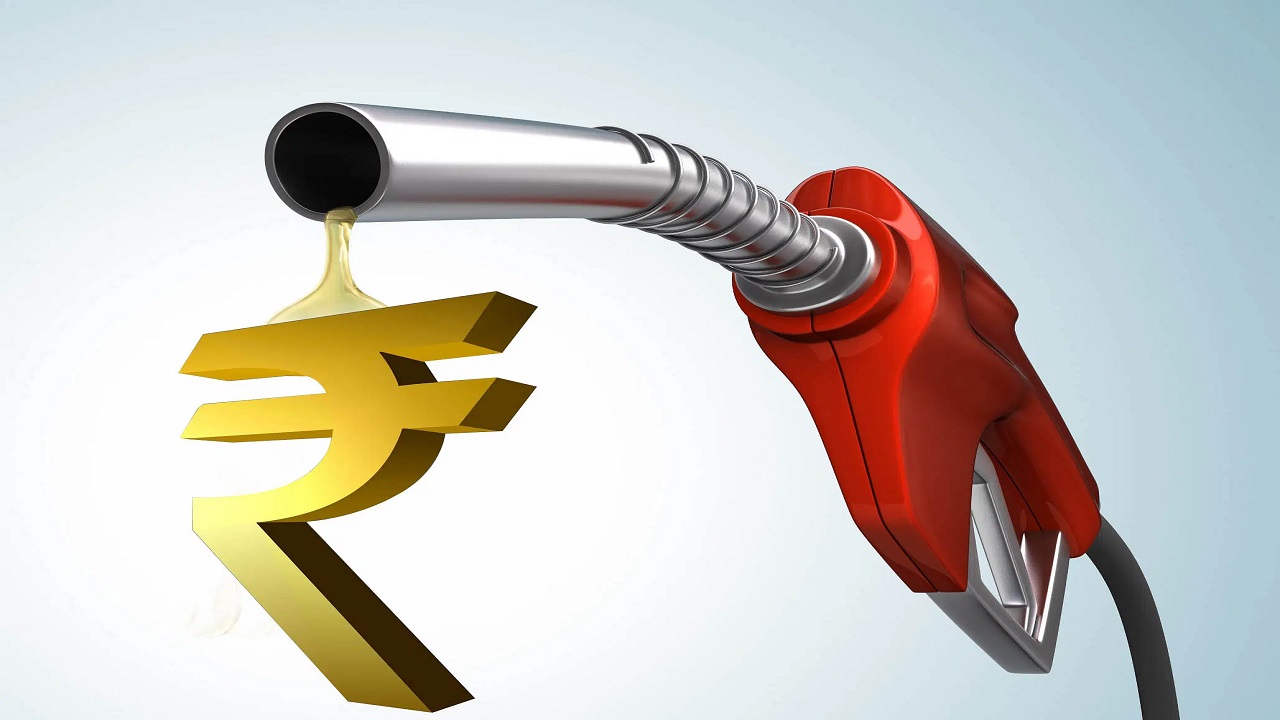
Big changes are coming to the fuel you use every day. In a major move that could shake up the auto industry and help the environment, India is aiming to blend 30 percent ethanol into petrol by 2030. Sounds technical? It’s actually a huge deal for your wallet, your car, and the planet. Let’s break it down.
What’s Ethanol Blending and Why Should You Care?
Ethanol is an alcohol based fuel usually made from crops like sugarcane or corn. When mixed with petrol, it can power your car just like regular fuel. But here’s the game changer: ethanol burns cleaner than petrol, helps reduce imports of crude oil, and supports farmers by boosting demand for agricultural produce.
Right now, India blends around 12 percent ethanol in petrol. The government’s new target of 30 percent by 2030 marks a massive leap forward. And it’s not just a number it’s part of a bigger plan to transform how India fuels its economy.
Why India Is Going All In on Ethanol
There are a few powerful reasons behind this push:
1. Cut Down on Oil Imports
India imports over 85 percent of its crude oil. That’s a huge bill to pay year after year. By using more ethanol, the country could save billions of dollars and reduce its dependence on foreign oil.
2. Boost the Agriculture Sector
Ethanol is produced from crops like sugarcane and grains. More blending means more income for farmers, especially those in rural areas. It also helps manage surplus crops that might otherwise go to waste.
3. Lower Emissions and Cleaner Air
Vehicles running on ethanol blended fuel release fewer harmful emissions. In a country battling severe air pollution, that’s a major win for public health.
4. Energy Security and Sustainability
Ethanol is a renewable fuel. Unlike fossil fuels, it doesn’t take millions of years to form. Using more ethanol supports sustainable energy practices and strengthens India’s energy independence.
What the Government Is Planning to Do
To meet the ambitious 30 percent target, the government is setting the stage for major changes in fuel production, distribution, and vehicle compatibility.
Key Initiatives Include:
- Increasing ethanol production capacity through new distilleries
- Expanding feedstock options by using not just sugarcane, but also grains like maize and rice
- Strengthening supply chains to ensure ethanol reaches fuel blending units efficiently
- Working with automobile manufacturers to ensure future vehicles are compatible with higher ethanol blends
There’s also a focus on encouraging Flex Fuel Vehicles (FFVs) that can run on a wide range of ethanol blends, even up to 85 percent. These vehicles are already popular in countries like Brazil and could soon be part of India’s roadways.
But Will It Affect Your Car?
If you’re wondering whether this will change what you drive or how often you visit the mechanic, here’s the truth.
Current vehicles in India can handle up to 10 percent ethanol (E10) without major changes. Many newer vehicles are compatible with E20, which is already being rolled out gradually. But moving toward E30 means engine upgrades, material changes, and fine tuning fuel systems will be necessary.
That’s why automakers are working closely with the government to adapt. If you buy a car in the next few years, chances are it will already be built to handle the transition.
What This Means for You
This shift to ethanol blending will impact nearly every fuel using Indian. Here’s what to expect:
- Potential fuel price stability thanks to lower dependence on imported oil
- Cleaner air and improved health outcomes in urban areas
- Opportunities in rural economies as demand for ethanol feedstock grows
- Gradual changes in vehicle tech, especially for engines and fuel systems
The ethanol story is not just about energy. It’s about economic strategy, environmental responsibility, and national self reliance.
Benefits for Drivers and the Environment
For drivers, 30% blending is a big deal. E20 fuel already cuts carbon monoxide emissions by 50% in two wheelers and 30% in cars compared to pure petrol. E30 could slash emissions even further, making cities less smoggy. Plus, ethanol is cheaper than imported oil, so pump prices could stabilize over time.
The perks don’t stop there:
- Savings: Ethanol blending saved Rs. 99014 crore in forex since 2014, easing fuel price spikes.
- Cleaner Air: E30 could reduce CO2 emissions by millions more tonnes annually.
- Farmer Income: More ethanol means more crop demand, putting cash in farmers’ pockets.
- Energy Security: Less oil imports make India less vulnerable to global price swings.
As someone who hates choking on city fumes, I’m all in for this cleaner future. Imagine road trips with less guilt and more savings!
What It Means for India’s Auto Industry
The auto sector is gearing up for E30. Most new cars since 2023 are E20 compatible, but 30% blending may need engine tuning or flex fuel tech. The Society of Indian Automobile Manufacturers says hardware tweaks can minimize efficiency losses. Meanwhile, the government’s pushing flex fuel vehicles, with plans to lower GST on them to 5%.
India’s also eyeing 5% ethanol in diesel, a bold move for trucks and buses. And with Nitin Gadkari predicting India will be the world’s top EV maker by 2030, ethanol could bridge the gap until EVs dominate. It’s exciting to see cars and fuel evolving together!
Challenges on the Road Ahead
Of course, there are hurdles. Not every region has access to feedstock for ethanol. Water usage for crops like sugarcane is also a concern. Plus, building infrastructure takes time and investment.
Yet, the benefits seem to outweigh the challenges. And with strong policy backing, technological advancements, and industry cooperation, India seems ready to tackle them head on.
The Takeaway: A Greener, Smarter Fuel Future
India’s decision to blend 30 percent ethanol into petrol by 2030 is bold, strategic, and forward thinking. It could reshape the country’s energy landscape, cut down pollution, and open doors for farmers and the auto sector alike.
If you’re passionate about clean energy, innovation, or just want to know where your fuel is headed, this is one development to keep on your radar. It’s not just about what goes in your tank it’s about building a cleaner, stronger, more self reliant India.

You’re a motorcycle nut like me, always on the lookout for the next ride that’s going to make your heart Read more

Toyota has officially pulled the wraps off a new GR86 Special Edition, and it is everything a driving enthusiast could Read more

The Tata Curvv, one of the brand’s most anticipated upcoming SUVs, has been spotted once again during testing. But this Read more

In a major leap for India’s aerospace manufacturing ambitions, Mahindra has signed a landmark deal with Airbus to manufacture helicopter Read more

At AutoTechXpert.in, we're passionate about all things automotive—from the latest car launches and cutting-edge EV tech to in-depth reviews and performance insights. Our editorial team is made up of seasoned auto journalists, tech enthusiasts, and driving purists who live and breathe the road. With years of industry experience, we break down complex car jargon into real, relatable advice to help you make smarter automotive decisions.