
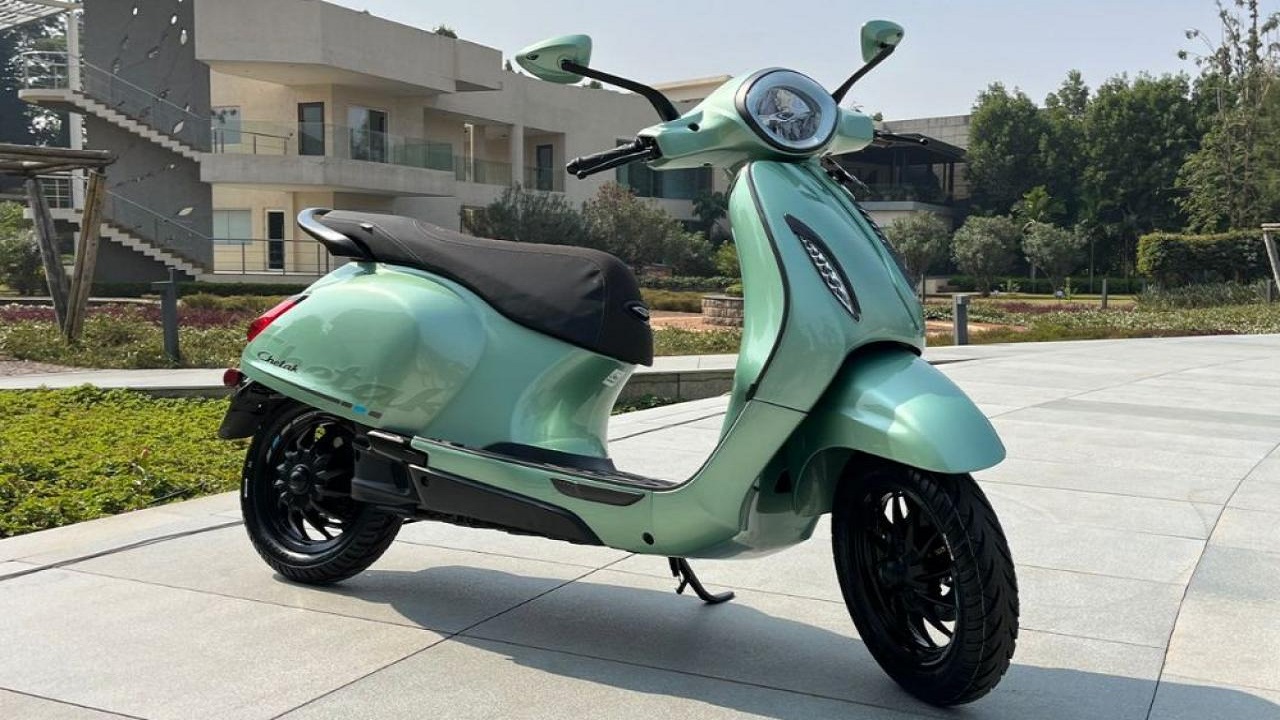
Bajaj just flipped the script on India’s electric scooter market. The iconic Chetak has surged to the top, grabbing the No. 1 spot in Q4 with a massive 29 percent market share. Surprised? You’re not alone. Here’s how the retro-modern EV beat out trendier competition and what this means for the future of electric mobility in India.
Bajaj Chetak Rises to the Top: A Q4 Victory That Turns Heads
In a market dominated by newer players and tech-first brands, Bajaj’s Chetak has quietly and consistently climbed the ranks. Now, it stands tall as India’s highest-selling electric scooter in Q4 FY24, claiming a commanding 29 percent market share. That’s not just a number — it’s a strong statement in a segment known for aggressive competition and rapid innovation.
With over 45,000 units sold in Q4 alone, Chetak has outpaced Ola Electric, Ather, TVS, and other major players in the e-scooter space.
How Did Chetak Pull This Off?
Bajaj’s success with the Chetak isn’t accidental. It’s the result of a focused strategy, strong brand equity, and some smart product decisions.
Let’s break it down:
- Wider Availability: One of the biggest game-changers has been Chetak’s rapid retail expansion. Bajaj now sells the Chetak in over 500 showrooms across 164 cities. That’s a reach most rivals are still working toward.
- Heritage + Tech Appeal: The Chetak name carries emotional weight. Bajaj tapped into nostalgia but didn’t stop there — they layered it with modern EV performance, clean aesthetics, and seamless functionality.
- Premium Positioning: Rather than go cheap, Bajaj positioned Chetak as an aspirational electric scooter. It worked. The scooter now appeals to both young professionals and older riders transitioning to EVs.
- Focus on Quality and Reliability: In a segment often critiqued for build issues and software bugs, Chetak stood out for solid construction and fewer complaints.
Chetak’s Numbers Speak Volumes
Here’s how the Q4 numbers stack up:
- Market share: 29 percent
- Units sold: Over 45,000
- Network strength: 500+ showrooms in 164 cities
- Growth rate: Chetak has shown consistent quarterly growth, driven by both demand and availability
That’s a leap from where Bajaj stood even a year ago, and it suggests the brand is scaling faster and smarter than most expected.
What’s Driving the Chetak’s Popularity Among Indian EV Buyers?
1. Familiarity and Trust
Bajaj is a household name, and the Chetak legacy gives it a head start. In a still-evolving EV market, buyers often lean toward brands they already know and trust.
2. Practical Features
Unlike some EVs that go all out on gadgets, Chetak focuses on everyday usability. It has:
- A range of up to 126 km (IDC certified)
- IP67-rated water and dust resistance
- Steel body panels for durability
- A smooth ride with balanced weight distribution
3. Smart Yet Simple
The new Chetak Premium variant includes:
- Color digital display
- Bluetooth connectivity
- Over-the-air software updates
- Easy ride modes and intuitive controls
This strikes a perfect balance between tech and simplicity — ideal for first-time EV buyers.
4. Solid After-Sales Support
Bajaj has used its wide dealership and service network to reduce wait times and build post-purchase confidence, something many startups still struggle with.
The Bigger Picture: What Chetak’s Success Signals for India’s EV Market
Chetak becoming India’s top e-scooter isn’t just a one-off win. It reflects a shift in consumer behavior and growing demand for trustworthy, quality-driven EVs.
Here’s what’s changing:
- Buyers are maturing. They no longer chase flash; they look for reliability, service access, and value.
- The EV segment is expanding into tier-2 and tier-3 cities, where brands like Bajaj already have strong dealer ties.
- More traditional OEMs are entering the space, and Chetak’s win could inspire Hero, Honda, and TVS to double down on premium electric offerings.
Bajaj’s success also validates that heritage brands can win in the EV space, if they play it right.
How Does Chetak Stack Up Against the Competition?
While Ola S1 still leads in total annual sales, and Ather has a strong tech following, Bajaj is winning the trust + reach game. Let’s quickly compare:
Bajaj Chetak:
- Focused on dependability
- Rapid network expansion
- Premium, minimalist design
- Strong performance in real-world conditions
Ola S1:
- Feature-rich, high-tech appeal
- Younger demographic
- Software-first experience
- Limited offline support
Ather 450X:
- Sportier performance
- Advanced display and smart features
- Urban-focused appeal
- Higher price bracket
Bajaj has found its sweet spot between feature-rich and function-first — and that’s clearly working with Indian consumers.
What Makes the Chetak Shine?
Let’s get into the nitty-gritty of why this scooter’s turning heads:
- Performance: A 4.2 kW motor pumps out 5.36 hp and 16 Nm of torque, hitting a top speed of 73 kmph—ideal for dodging traffic or cruising short highways.
- Tech: A full-color TFT display, Bluetooth connectivity, hill-hold assist, and even a reverse mode make it tech-savvy yet easy to use.
- Build: That metal frame, tubeless tires, and front disc brake scream durability—perfect for India’s unpredictable roads.
- Storage: The 35 Series’ underseat space is a game-changer. I’ve struggled with tiny scooter compartments before, and this one’s a breath of fresh air.
I’ve been riding scooters since I could balance one, and the Chetak’s blend of power and everyday usability has me itching to take it for a spin through my city.
Dominating Key Markets
Here’s where Bajaj really shone: Maharashtra, India’s EV hotspot. They command a 50 percent market share there, outpacing Ola, TVS, and Ather combined in some pockets. I’ve navigated Pune’s chaotic streets myself, and spotting Chetaks everywhere feels like a homecoming for Bajaj. Their deep ties to the state, paired with a booming EV appetite, gave them a massive boost. It’s not just luck—it’s knowing your audience and delivering exactly what they crave.
A Bigger Vision for EVs
Bajaj’s not stopping at scooters—they’re dreaming bigger. Electric vehicles and CNG options now account for 40 percent of their domestic revenue, a huge jump from a few years back. They’ve got the Freedom, the world’s first CNG motorcycle, and electric three-wheelers in their arsenal. It’s like they’re crafting a clean-energy empire, one ride at a time. The Chetak’s success isn’t a one-off; it’s proof Bajaj can innovate while staying true to its roots. I’m rooting for them because this is the kind of vision India’s roads need.
Challenges on the Horizon
Let’s keep it real—the competition isn’t sleeping. Ola’s still a powerhouse, with a 29.93 percent retail share for FY25 per FADA data. They’re cooking up new battery tech and 20 new products by 2027. TVS moved 237,576 iQubes in FY25, up 30 percent, and Ather’s premium scooters are quietly gaining ground. Bajaj’s Q4 crown is well-earned, but holding onto it won’t be easy. Ola’s service woes and pricing battles might’ve given Bajaj an opening, but the EV war is far from over. Still, right now, Bajaj’s riding high, and I’m loving every second of it.
What Comes Next for Bajaj Chetak?
Bajaj isn’t slowing down. The company has hinted at:
- New variants, including a possible more affordable Chetak
- Exports to international markets
- Continued expansion in cities where EV adoption is still picking up
- Focus on battery tech and cost optimization
Expect Bajaj to lean further into its Made-in-India identity and scale Chetak across both commuter and premium EV segments.
Conclusion: The Chetak Comeback is Complete — and It’s Electrifying
Chetak’s return to Indian roads in electric form was already nostalgic. Now, it’s dominating headlines with real market leadership. By becoming the No. 1 e-scooter in Q4, Bajaj has proven that trust, quality, and reach still matter — perhaps more than ever.
If you’re considering an electric scooter that blends design, durability, and daily usability, the Bajaj Chetak is now not just an option — it’s the benchmark. Expect the EV race to heat up even more in the coming quarters, but for now, Bajaj holds the crown.

You’re a motorcycle nut like me, always on the lookout for the next ride that’s going to make your heart Read more

Few motorcycles in India have a legacy as strong as the Royal Enfield Classic 350. It is more than just Read more

KTM is once again shaking things up in the Indian motorcycle space. The upcoming KTM 390 SMC R has been Read more

The Hero Splendor Plus, one of India’s most trusted commuter motorcycles, has been spotted testing, hinting at a possible update Read more

At AutoTechXpert.in, we're passionate about all things automotive—from the latest car launches and cutting-edge EV tech to in-depth reviews and performance insights. Our editorial team is made up of seasoned auto journalists, tech enthusiasts, and driving purists who live and breathe the road. With years of industry experience, we break down complex car jargon into real, relatable advice to help you make smarter automotive decisions.