
The world is on edge. What started as a regional flare-up between Iran and Israel has rapidly turned into an international crisis with nuclear concerns, U.S. military involvement, and global markets responding in real time. The situation is evolving fast, and its ripple effects are already being felt far beyond the Middle East.
Here’s a breakdown of what’s unfolding, why it matters, and what could come next.
What Sparked the Iran Israel Conflict?
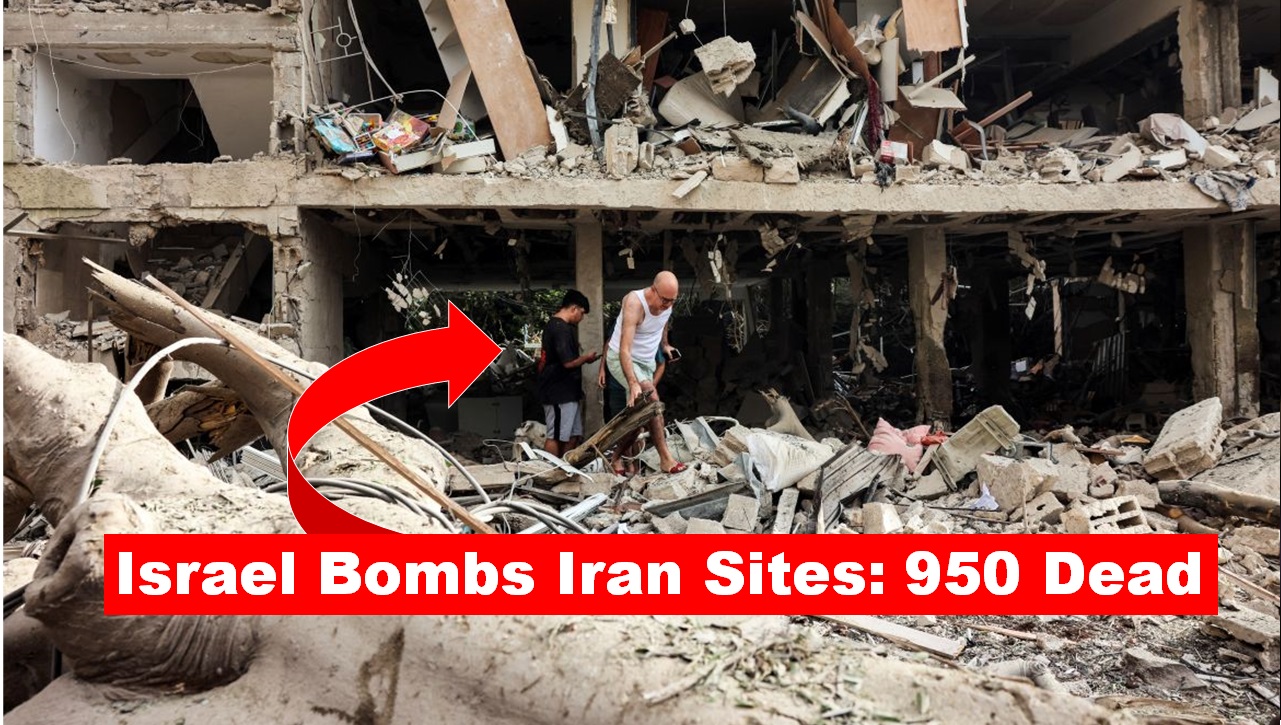
Tensions exploded after Israel carried out a wave of strikes targeting Iranian military and nuclear sites. Key locations like Natanz and Fordow both associated with Iran’s nuclear program were hit hard. Early reports suggest more than 950 people have been killed and over 3,400 injured in the opening attacks.
Iran’s response was swift and furious. Supreme Leader Ayatollah Ali Khamenei reportedly took shelter in a fortified bunker and has already named potential successors a move that has fueled speculation about the seriousness of the threat. Notably, his son Mojtaba was left out of the list, adding a layer of intrigue to Iran’s internal politics.
The U.S. Steps In And Raises the Stakes
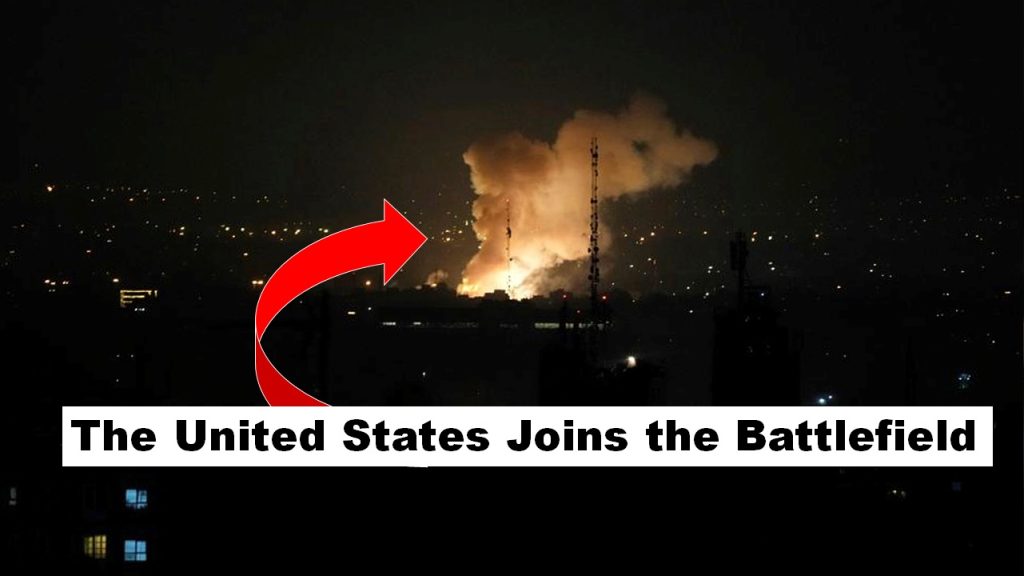
This stopped being just a regional clash when the United States joined the fray. Under mounting pressure to back Israel and prevent nuclear escalation, the U.S. military launched its own strikes on Iranian facilities, some linked directly to nuclear development.
In a chilling development, a top aide to Khamenei called for a retaliatory missile strike on a U.S. naval fleet, saying bluntly: “It’s our turn to act.” The fear now? A full-scale war in the Gulf that drags in multiple global powers.
Why This Conflict Could Spiral Out of Control
Several red flags make this moment particularly dangerous:
- Nuclear Infrastructure Under Fire: Strikes on facilities like Fordow and Arak are unprecedented. The risk of radiation leaks or further international retaliation looms large.
- Religious and Political Complexity: With hardliners driving strategy in both Iran and Israel, there’s little room for de-escalation.
- Leadership Uncertainty: Khamenei’s bunker retreat and early succession planning only add to the sense of instability inside Iran.
- Social Unrest: Public opinion in both countries is sharply divided. Social media is brimming with fear, fury, and disinformation.
Markets in Turmoil: Oil, Stocks, and Global Risk
As the conflict escalates, financial markets are reacting in real time:
- Oil prices jumped over 2%, with Brent crude crossing $87 per barrel.
- U.S. stock indexes like the Dow and S&P 500 slid amid fears of prolonged instability.
- Gold and other “safe haven” assets are climbing as investors look for stability.
- India’s GIFT Nifty and other Asian markets opened in the red, rattled by energy supply worries.
Should fighting disrupt the Strait of Hormuz a key oil transit route global energy supplies could take a major hit, potentially triggering inflation and fuel crises across Europe and Asia.
The UN Responds But Can Diplomacy Keep Up?
The UN Security Council has called an emergency meeting, and international leaders are urging restraint. The European Union and several Asian nations are pushing for a de-escalation but so far, there’s no clear sign of either side backing down.
Adding political fuel to the fire, former U.S. President Donald Trump blamed the Biden administration for what he called “weak diplomacy.” His remarks, while controversial, are gaining traction among voters already uneasy about America’s global role.
What Happens Next And Should We Be Worried?
In a word: yes. The coming days could see:
- Possible Iranian missile strikes on U.S. forces or bases
- Further escalation targeting nuclear sites
- Cyberattacks between Iran and Israel with potential global fallout
- Major oil supply disruptions affecting global markets
Still, there may be a window for diplomacy. Countries like Turkey, Qatar, and India which maintain lines of communication with both sides could play a role in backchannel negotiations. But time is short, and the pressure is building fast.
Final Thoughts
This conflict is no longer a regional skirmish it’s a high-stakes confrontation with the potential to reshape the global order. It’s disrupting markets, testing alliances, and exposing just how fragile international peace really is.
Whether you’re watching fuel prices, following market updates, or simply trying to make sense of the headlines, this is a moment that demands attention. History shows that wars in the Middle East rarely stay contained. And right now, the world is watching and waiting.
Stay informed. Stay cautious. The next 48 hours could shape the months, or years, ahead.

You’re a motorcycle nut like me, always on the lookout for the next ride that’s going to make your heart Read more

Toyota has officially pulled the wraps off a new GR86 Special Edition, and it is everything a driving enthusiast could Read more

The Tata Curvv, one of the brand’s most anticipated upcoming SUVs, has been spotted once again during testing. But this Read more

In a major leap for India’s aerospace manufacturing ambitions, Mahindra has signed a landmark deal with Airbus to manufacture helicopter Read more

At AutoTechXpert.in, we're passionate about all things automotive—from the latest car launches and cutting-edge EV tech to in-depth reviews and performance insights. Our editorial team is made up of seasoned auto journalists, tech enthusiasts, and driving purists who live and breathe the road. With years of industry experience, we break down complex car jargon into real, relatable advice to help you make smarter automotive decisions.