
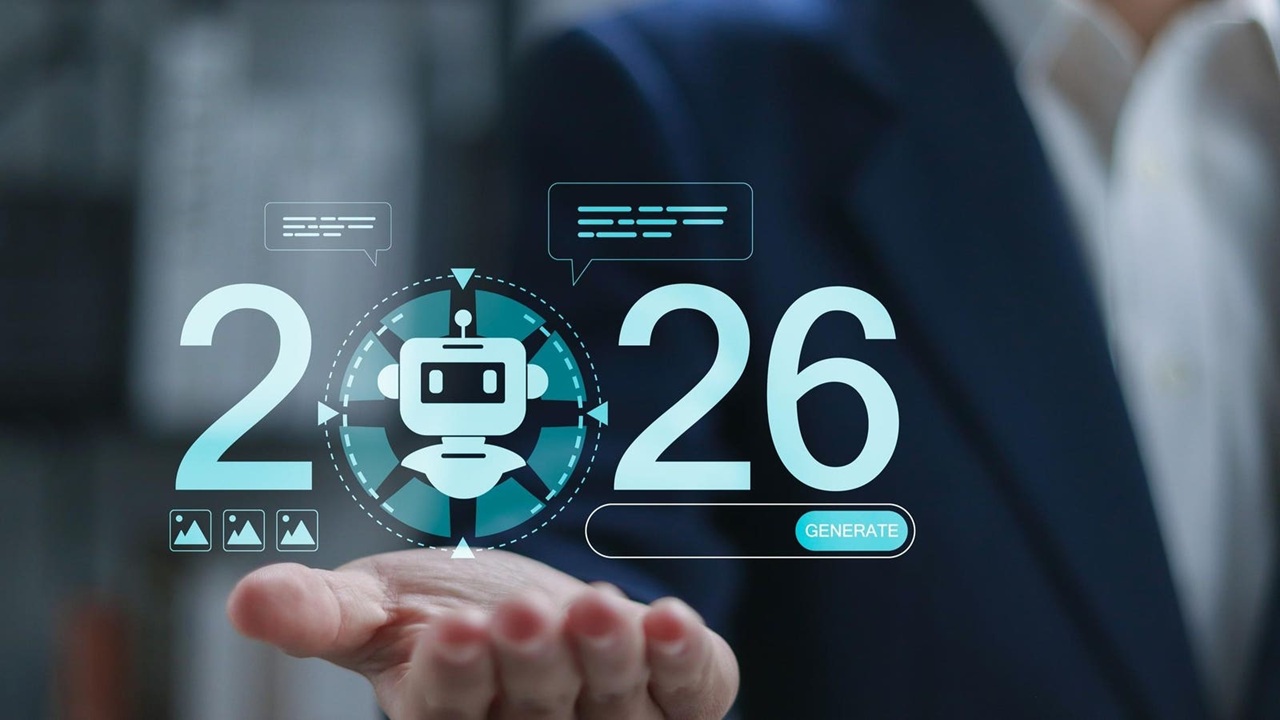
A few years ago, artificial intelligence felt like something happening in the background. It powered recommendations, filtered spam, and helped with basic automation. Fast forward to 2026, and AI has stepped into a much more active role. We are now seeing the rise of AI agents that can think through tasks, make decisions, and even act independently in ways that feel surprisingly human.
This shift has sparked a big question in almost every industry. Will AI agents replace your job?
The answer is not as simple as yes or no. What is happening right now is a transformation of work itself. Some roles are shrinking, some are evolving, and entirely new ones are emerging. To understand where things are heading, it helps to look at what AI agents really are, how they are being used, and what this means for your future.
What Are AI Agents and Why Are They Different?

AI agents are not just tools that wait for instructions. They are systems designed to complete tasks with minimal human input. Instead of asking an AI to write one email, you can assign it a goal like managing customer communication for the day, and it will handle multiple steps on its own.
For example, an AI agent can read customer queries, draft responses, schedule follow ups, and even adjust tone based on past interactions. It is this ability to plan, execute, and adapt that sets AI agents apart from earlier forms of automation.
In 2026, these agents are being integrated into business software, personal productivity tools, and even creative workflows. Companies are no longer asking if they should use AI. They are asking how much of their operations can be handled by it.
Why Businesses Are Adopting AI Agents So Quickly
The rapid adoption of AI agents is not happening by accident. There are clear reasons behind it.
First, efficiency. AI agents can work around the clock without fatigue. Tasks that once took hours can now be completed in minutes.
Second, cost savings. Hiring and training employees is expensive. While AI systems also require investment, they often reduce long term costs.
Third, scalability. A single AI agent can handle workloads that would normally require a team. This is especially valuable for small businesses trying to compete with larger companies.
But there is also a psychological factor. Once a company sees even a small improvement using AI, it becomes difficult to ignore the potential for bigger gains. This creates a snowball effect where adoption accelerates quickly.
Jobs That Are Most at Risk
Not all jobs are equally affected by AI agents. Roles that involve repetitive tasks, predictable workflows, or rule based decision making are the most vulnerable.
Customer support is a clear example. AI agents can now handle a large portion of inquiries without human intervention. Basic troubleshooting, order tracking, and common questions are increasingly automated.
Data entry and administrative work are also at risk. AI systems can process, organize, and analyze data far faster than humans.
Content generation has seen major changes as well. While human creativity still matters, AI can produce drafts, summaries, and even full articles at scale. This does not eliminate writers, but it changes what is expected from them.
Even fields like finance and law are feeling the impact. AI agents can review documents, identify patterns, and assist with research, reducing the need for large support teams.
Jobs That Are Safer Than You Think
While the headlines often focus on jobs being replaced, there are many roles that AI struggles to replicate.
Jobs that require emotional intelligence, complex human interaction, or hands on work are much harder to automate. Healthcare professionals, therapists, teachers, and skilled tradespeople fall into this category.
Creative roles are also evolving rather than disappearing. Designers, writers, and artists who learn to work alongside AI can actually increase their output and reach.
Leadership and strategic roles remain critical as well. AI can analyze data, but deciding what direction to take still requires human judgment, especially when dealing with uncertainty.
In simple terms, jobs that rely on being human rather than just doing tasks are more resilient.
The Shift from Replacement to Collaboration
One of the biggest misconceptions is that AI will simply replace workers. In reality, what we are seeing is a shift toward collaboration.
Instead of doing everything manually, workers are becoming managers of AI systems. A marketer might use AI agents to run campaigns, analyze results, and suggest improvements, while focusing their own effort on strategy and creativity.
This shift can feel uncomfortable at first. It requires learning new skills and letting go of old habits. But it also opens up opportunities to do more meaningful work.
Think of it like the introduction of computers in the workplace. At first, there was fear and resistance. Over time, computers became essential tools that made people more productive. AI agents are following a similar path, just at a faster pace.
Real World Examples in 2026
Across industries, the impact of AI agents is already visible.
In ecommerce, AI agents manage inventory, handle customer queries, and optimize pricing in real time. This allows small businesses to operate with the efficiency of much larger companies.
In software development, AI agents assist with coding, debugging, and testing. Developers are not being replaced, but their workflows are changing dramatically.
In marketing, campaigns are increasingly driven by AI insights. Agents can test multiple strategies, analyze performance, and adjust in real time, something that would be impossible to do manually.
Even in education, AI agents are helping personalize learning experiences. Students receive tailored lessons and feedback based on their progress.
These examples show that AI is not limited to one sector. Its influence is spreading everywhere.
What This Means for Your Career
The rise of AI agents does not mean that your job will disappear overnight. But it does mean that standing still is no longer an option.
The most important skill in 2026 is adaptability. Being open to change and willing to learn new tools can make a huge difference.
Understanding how AI works, even at a basic level, is becoming essential. You do not need to be a programmer, but knowing how to use AI tools effectively can give you a strong advantage.
It is also worth focusing on skills that AI cannot easily replicate. Communication, critical thinking, and creativity are more valuable than ever.
Another important factor is mindset. Instead of seeing AI as a threat, it helps to view it as a tool that can amplify your abilities. Those who embrace this perspective are often the ones who benefit the most.
How to Stay Ahead in an AI Driven World
If you are wondering what practical steps you can take, start small.
Explore AI tools related to your field. Try using them in your daily work and see where they can help.
Invest time in learning. Online courses, tutorials, and even simple experimentation can build your confidence.
Focus on building a unique skill set. Combining technical knowledge with human skills can make you stand out.
Networking also matters. Connecting with others who are adapting to AI can provide insights and opportunities.
Finally, keep an eye on trends. The pace of change is fast, and staying informed can help you make better decisions about your career.
The Human Element Still Matters
Despite all the advancements, there is something that AI cannot fully replicate. Human experience.
People value authenticity, empathy, and connection. Whether it is a customer choosing a brand or a company hiring an employee, these factors still play a major role.
AI can assist, but it cannot replace the depth of human understanding. This is why roles that involve building relationships and making nuanced decisions continue to be important.
In many ways, the rise of AI is highlighting what makes us uniquely human.
Final Thoughts
So, will AI agents replace your job in 2026?
In some cases, yes. Certain tasks and roles are being automated at a rapid pace. But the bigger picture is more nuanced. Jobs are not just disappearing. They are evolving.
The real question is not whether AI will replace you, but whether you are ready to adapt.
Those who learn to work with AI, rather than against it, are likely to find new opportunities and even greater success. Change can be unsettling, but it also brings growth.
The future of work is not about humans versus machines. It is about how the two can work together to create something better.

A few years ago, artificial intelligence felt like a helpful assistant. Today, it feels more like a co worker that Read more
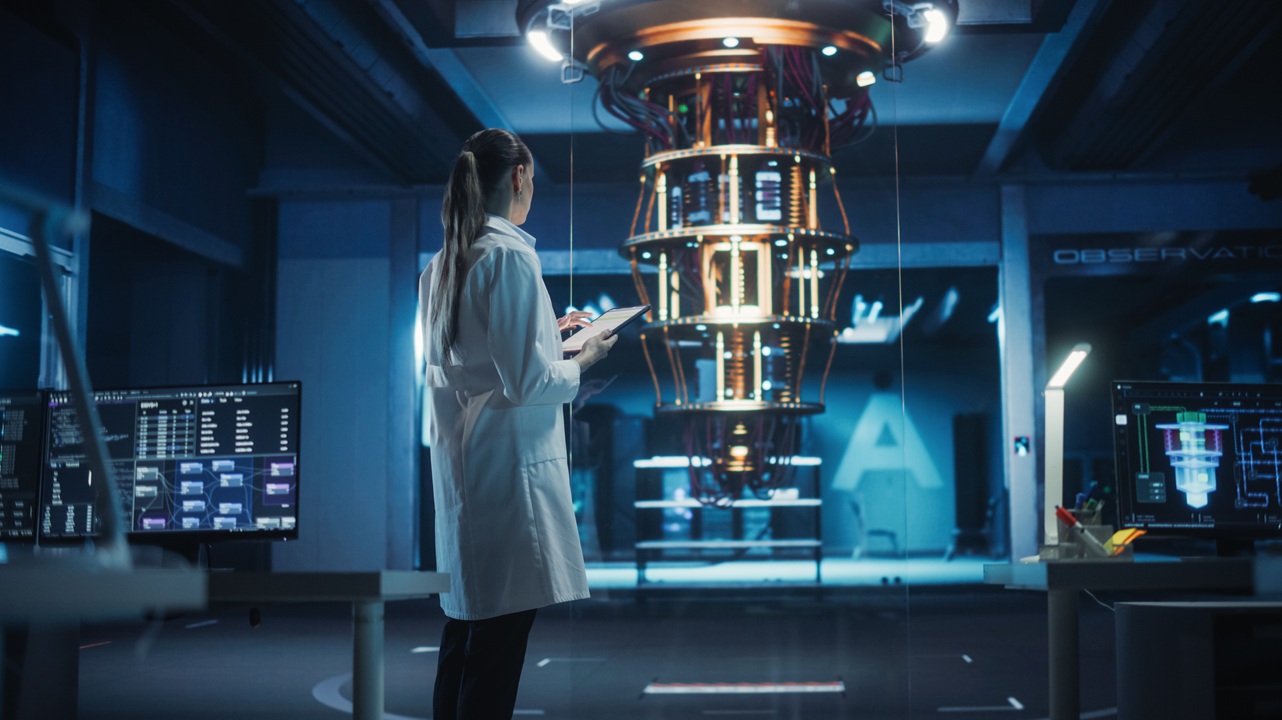
For years, quantum computing felt like something locked behind laboratory doors, discussed in research papers and theoretical debates rather than Read more
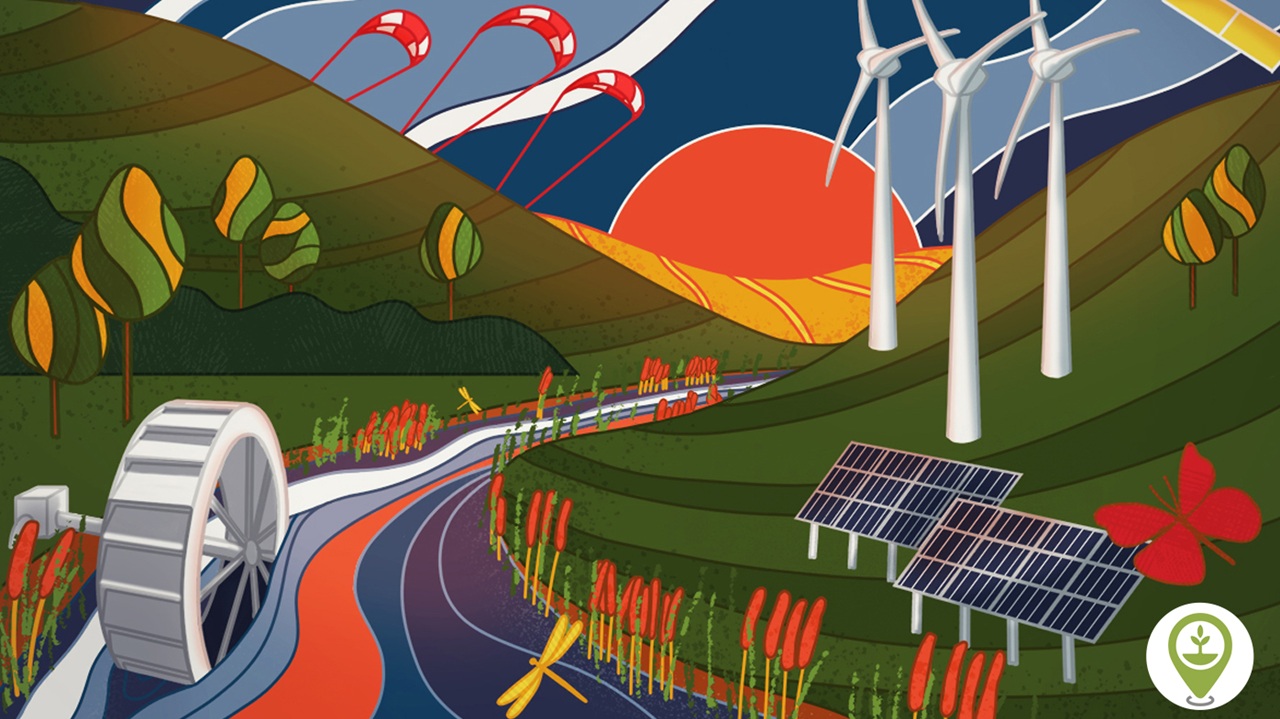
Walk into any modern home, office, or even a small café in 2026, and you will notice something quietly powerful Read more
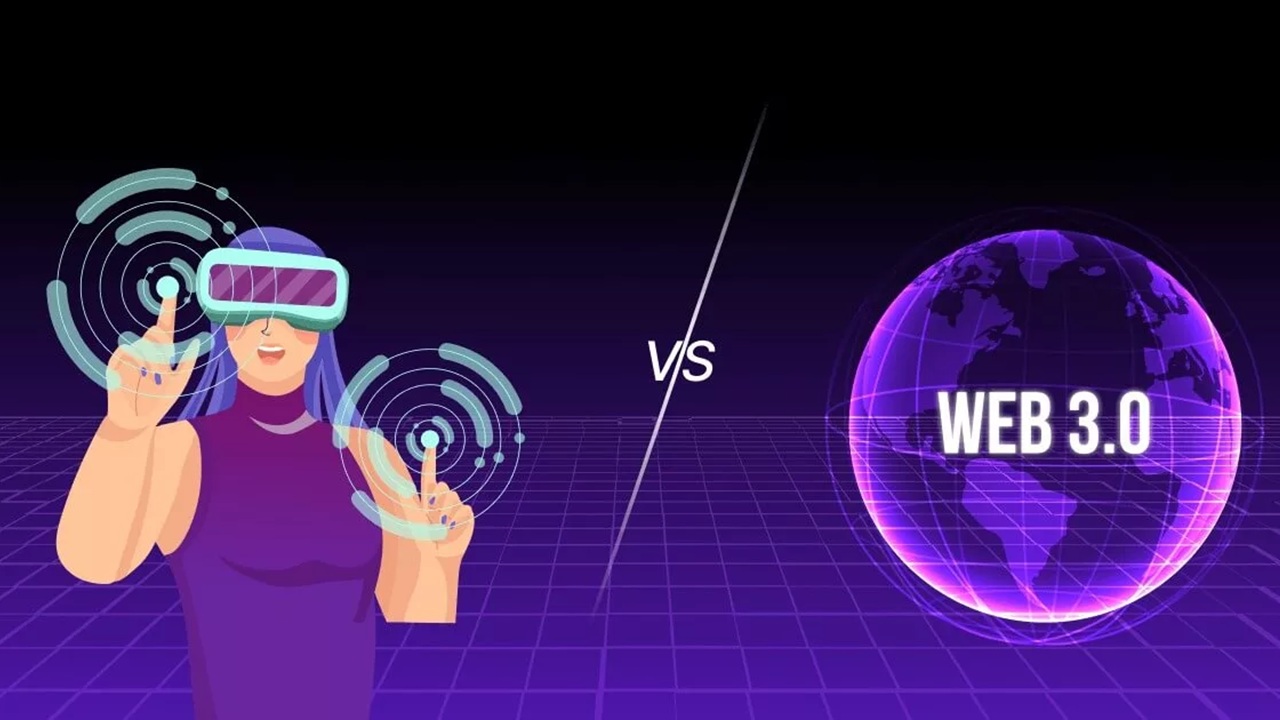
For years, the idea of a fully immersive digital world has hovered somewhere between science fiction and ambitious tech demos. Read more

At AutoTechXpert.in, we're passionate about all things automotive—from the latest car launches and cutting-edge EV tech to in-depth reviews and performance insights. Our editorial team is made up of seasoned auto journalists, tech enthusiasts, and driving purists who live and breathe the road. With years of industry experience, we break down complex car jargon into real, relatable advice to help you make smarter automotive decisions.