
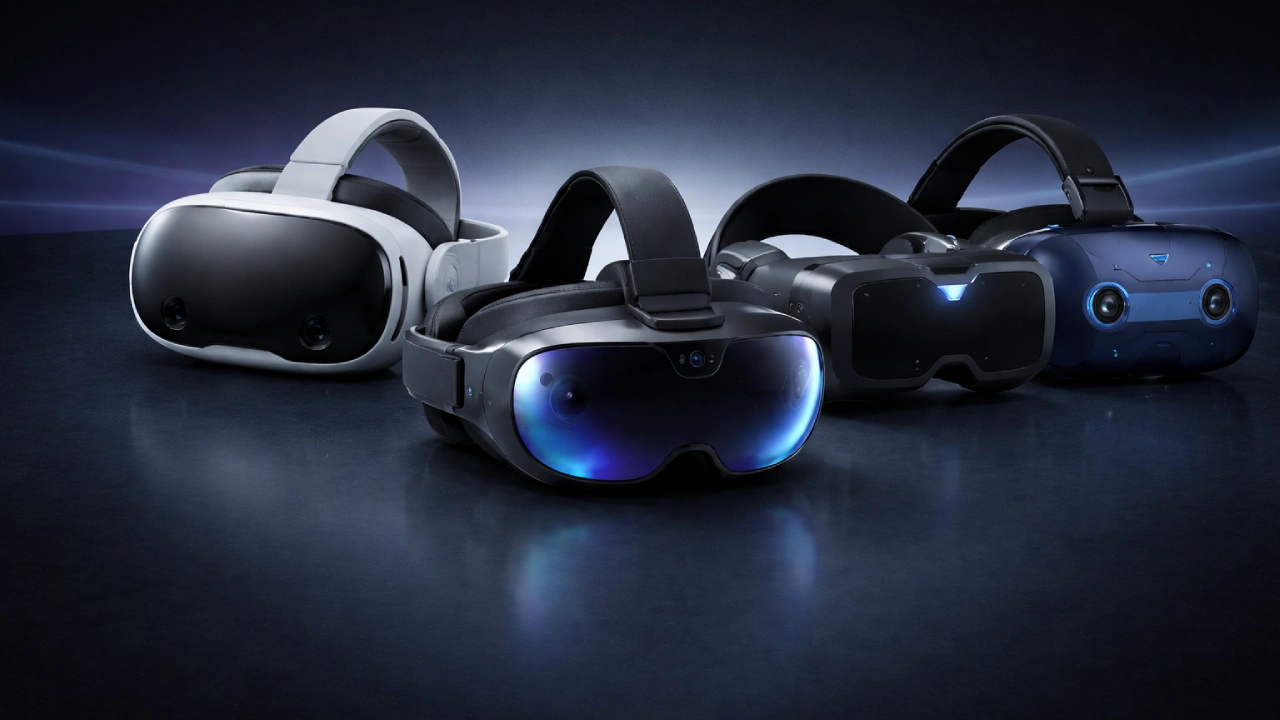
Gaming has always evolved alongside technology. From pixelated arcade machines to hyper realistic open worlds, every leap has changed how we play and connect. Now, we are standing at another turning point where two powerful technologies are shaping the future of gaming experiences Virtual Reality and Augmented Reality.
You have probably seen someone wearing a headset completely immersed in a virtual world or using their phone to catch digital creatures in the real world. Both feel futuristic, yet they offer very different experiences. The big question is not just which one is better today but which one will define the next generation of gaming.
Let us explore how VR and AR compare, where they shine, where they struggle, and what the future might look like for both.
Understanding VR Gaming

Virtual Reality gaming places you inside a completely digital environment. When you wear a VR headset, your surroundings disappear and are replaced with a fully immersive world. You are not just controlling a character on a screen. You become part of the game.
In VR, you can look around, move your hands, and interact with objects as if they exist in front of you. Games like Half Life Alyx or Beat Saber show how engaging and physical this experience can be. It feels less like playing and more like stepping into another reality.
What makes VR special is its ability to create presence. That feeling of actually being somewhere else is something traditional gaming cannot replicate.
However, VR still comes with challenges. High quality headsets can be expensive. Some users feel motion sickness after long sessions. Space requirements and setup complexity can also be barriers for casual players.
Understanding AR Gaming
Augmented Reality gaming works differently. Instead of replacing your environment, AR adds digital elements on top of the real world. You still see your surroundings, but they are enhanced with interactive virtual objects.
A popular example is Pokemon Go. You walk in your neighborhood, but suddenly, a virtual creature appears on your screen as if it is really there. This blend of real and digital creates a unique type of gameplay.
AR gaming feels more accessible because it often works on devices people already own like smartphones. It does not isolate you from your environment. Instead, it encourages movement, exploration, and social interaction in real spaces.
The challenge with AR is depth and immersion. While it adds fun layers to reality, it does not fully transport you into a different world the way VR does.
Key Differences Between VR and AR Gaming
The core difference comes down to immersion versus integration.
VR is about escaping reality. AR is about enhancing it.
VR creates a fully controlled environment where developers can design every detail. This allows for deep storytelling and intense gameplay experiences. AR depends on the real world, which means it has to adapt to different environments and conditions.
Another important difference is accessibility. VR often requires dedicated hardware like headsets and controllers. AR can run on phones or emerging smart glasses, making it easier for a wider audience to try.
In terms of social interaction, AR has a natural advantage. You can play with others in shared real spaces. VR social experiences exist, but they require everyone to be in the same virtual environment with the right equipment.
Current Market Trends
If you look at the gaming market today, both VR and AR are growing, but in different ways.
VR has seen steady growth with improved hardware like lighter headsets, better graphics, and wireless capabilities. Companies are investing heavily in creating more comfortable and affordable devices. There is also a push toward building virtual worlds where people can work, play, and socialize.
AR, on the other hand, has already reached millions through mobile devices. Games that use AR can go viral quickly because they are easy to access. Tech companies are also working on AR glasses that could make the experience even more seamless.
In simple terms, VR is growing deeper while AR is spreading wider.
Immersion and Experience
When it comes to pure immersion, VR clearly leads. The ability to completely block out the real world and replace it with a digital one creates unmatched engagement. Players often describe VR as unforgettable because it feels real in a way that screens cannot match.
Imagine standing on the edge of a virtual cliff or fighting enemies that move around you in three dimensional space. These moments create emotional responses that feel stronger than traditional gaming.
AR offers a different kind of magic. It turns everyday locations into playgrounds. Your living room can become a battlefield. Your local park can turn into a quest zone. This blending of real and digital makes gaming feel more integrated into daily life.
The experience is less intense than VR but more flexible and social.
Hardware and Accessibility
One of the biggest factors that will decide the future is accessibility.
VR still depends on hardware that can be expensive for many users. Even though prices are gradually decreasing, it is still a commitment. You need a headset, sometimes controllers, and enough space to move around.
AR has a clear advantage here. Most people already own a smartphone capable of running AR applications. This lowers the entry barrier significantly.
However, the future of AR depends heavily on the success of wearable devices like smart glasses. If these become comfortable, affordable, and stylish, AR could see massive adoption.
Game Development Opportunities
From a developer perspective, both technologies offer exciting possibilities.
VR allows developers to create deeply immersive worlds with complex interactions. It is perfect for storytelling, simulation, and experiences that require full attention. Training simulations, horror games, and adventure titles thrive in VR.
AR encourages creativity in blending gameplay with real world environments. It is ideal for location based games, educational experiences, and social interactions. Developers can create games that evolve based on where you are and what you are doing.
The challenge is that both require different design approaches. What works in VR may not work in AR and vice versa.
Social and Multiplayer Experiences
Gaming is no longer just about playing alone. Social interaction plays a huge role in modern gaming.
AR has a natural advantage in this area. Players can gather in real spaces and interact with digital elements together. This creates shared experiences that feel more connected to real life.
VR is also evolving in this space. Virtual worlds where players can meet, talk, and play together are becoming more common. These environments can feel surprisingly real, especially with advancements in avatars and voice interaction.
Still, VR social gaming depends on users having access to the same hardware, which can limit its reach.
Health and Comfort Factors
Another important aspect is how comfortable these technologies are for long term use.
VR can cause motion sickness for some users, especially in fast moving games. Wearing a headset for extended periods can also feel tiring. Improvements are being made, but it is still a concern.
AR is generally more comfortable because you are not cut off from your surroundings. It feels more natural to use, especially on mobile devices.
As hardware improves, both technologies will likely become more user friendly, but AR currently has the edge in comfort.
The Role of AI and Future Tech
Artificial intelligence is playing a big role in shaping both VR and AR gaming.
In VR, AI can create smarter environments, more realistic characters, and dynamic storylines that adapt to player choices. This makes the experience feel more alive.
In AR, AI helps understand the real world. It can recognize objects, map environments, and place digital elements more accurately. This improves the overall experience and makes interactions feel more natural.
As AI continues to evolve, both VR and AR will become more intelligent and responsive.
Which One Will Win
The idea that one will completely replace the other might not be realistic. VR and AR serve different purposes and appeal to different types of players.
VR is likely to dominate in areas where deep immersion matters. High end gaming, simulations, and storytelling experiences will continue to thrive in virtual reality.
AR is more likely to win in terms of mass adoption. Its accessibility and integration with daily life make it appealing to a broader audience.
If we look at the next generation, the real winner might not be VR or AR alone but a combination of both. Mixed reality experiences that blend immersion with real world interaction could become the standard.
What This Means for Gamers
For players, this is an exciting time. You are not choosing between VR and AR. You are gaining access to new ways of experiencing games.
If you love deep, immersive worlds, VR will continue to impress you. If you enjoy casual, social, and real world integrated experiences, AR will feel more natural.
Over time, the line between the two may blur. Devices could offer both experiences in one system, giving players the freedom to switch based on what they want.
Final Thoughts
The future of gaming is not about picking a single winner. It is about expanding possibilities.
VR brings intensity, immersion, and escape. AR brings accessibility, creativity, and connection to the real world. Both are shaping the next generation in their own ways.
As technology improves and becomes more affordable, we will likely see both grow side by side. The real transformation will come when these technologies start working together, creating experiences that feel both real and limitless at the same time.
For now, the question is not which one will win. It is how they will redefine what gaming means in the years ahead.
If you walk into any gaming forum, scroll through YouTube, or even browse online marketplaces in 2026, one thing becomes Read more

Walk into any online multiplayer lobby in 2026 and you will notice something that would have felt rare just a Read more

Game modding has always lived in an interesting space between creativity and controversy. On one hand, it is one of Read more
If you had asked gamers five years ago what defines the future of gaming, most would have pointed to massive Read more

At AutoTechXpert.in, we're passionate about all things automotive—from the latest car launches and cutting-edge EV tech to in-depth reviews and performance insights. Our editorial team is made up of seasoned auto journalists, tech enthusiasts, and driving purists who live and breathe the road. With years of industry experience, we break down complex car jargon into real, relatable advice to help you make smarter automotive decisions.