
Walk into any electronics store today and you will see rows of sleek laptops and compact desktops that look impressive on the surface. Thin bodies, powerful chips, beautiful displays. But behind that polished design is a frustrating truth many users have experienced firsthand. Once something breaks or becomes outdated, replacing or upgrading it is often difficult, expensive, or sometimes impossible.
For years, the tech industry pushed toward sealed devices. Batteries glued in place. RAM soldered to the motherboard. Storage that cannot be swapped. It made devices thinner, yes, but it also made them disposable.
Now, something interesting is happening. Modular PCs are making a comeback, and companies like Framework are leading a quiet but powerful shift. The idea is simple yet revolutionary for modern computing. Instead of replacing your entire device every few years, you upgrade and repair it piece by piece.
This is not just a niche trend for enthusiasts. It is slowly becoming a serious movement that could redefine how we think about computers in the next decade.
What Are Modular PCs and Why Do They Matter
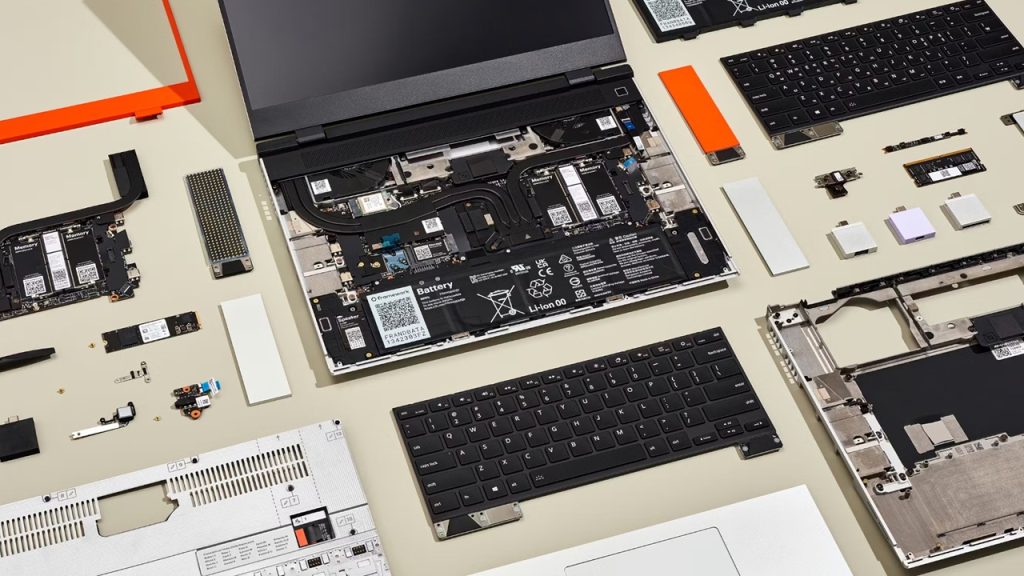
A modular PC is designed with individual components that can be easily removed, replaced, or upgraded without specialized tools or technical expertise. Think of it like building blocks instead of a sealed box.
In traditional desktops, modularity has always been part of the experience. You can swap a graphics card or add more storage. But laptops, which dominate modern computing, moved in the opposite direction. They became thinner but less flexible.
That trade off is now being questioned.
Modular PCs matter for three major reasons. First is longevity. Instead of discarding a perfectly functional device because one part is outdated, users can upgrade only what they need. Second is cost efficiency. Over time, replacing individual components is far cheaper than buying an entirely new system. Third is sustainability. Electronic waste is one of the fastest growing global problems, and modular hardware directly addresses it by extending product life cycles.
These benefits are not theoretical anymore. They are being demonstrated in real products.
The Framework Laptop: A Practical Example of Modular Design
Framework did something that many thought was not possible in the modern laptop market. It created a thin, stylish, high performance laptop that is fully modular and user friendly.
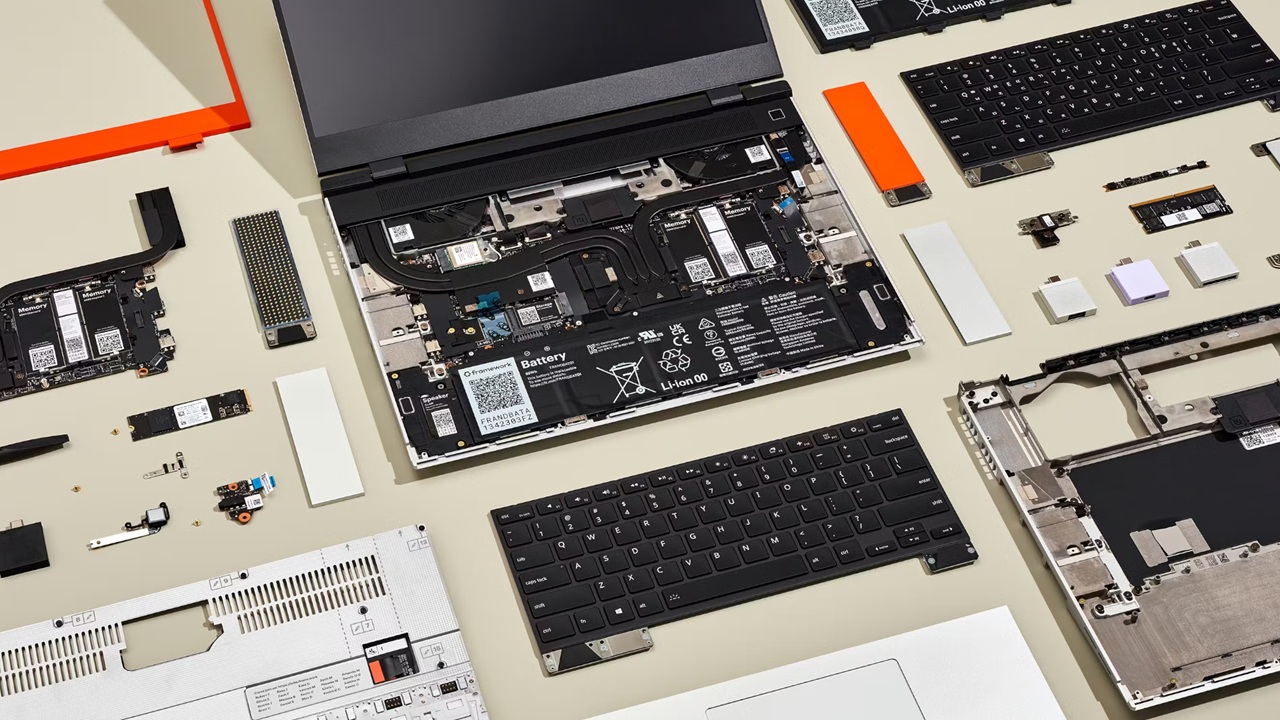
At first glance, a Framework Laptop looks like any other premium ultrabook. But the difference becomes clear the moment you open it. Every major component is designed to be accessible.
You can replace the RAM in minutes. Storage can be upgraded with standard drives. Even the motherboard can be swapped out when a new generation of processors is released. That means you can keep your laptop for years and still enjoy modern performance.
One of the most interesting innovations is the expansion card system. Instead of fixed ports, users can choose which ports they want and swap them anytime. Need more USB C ports for work? Done. Want HDMI for presentations? Slide it in. It feels less like owning a device and more like configuring your own tool.
Even the smaller details matter. The company provides clear repair guides, labels every component, and sells replacement parts directly. This removes the friction that usually comes with repairing electronics.
For many users, the experience feels refreshing. There is a sense of ownership that goes beyond simply using a device. You understand it, maintain it, and improve it over time.
Why Repairable Hardware Is Gaining Momentum
The rise of modular PCs is not happening in isolation. It is part of a broader shift driven by both consumers and policymakers.
People are becoming more aware of how often they are forced to replace devices unnecessarily. A failing battery or a broken keyboard should not mean buying a brand new laptop. This frustration has fueled the right to repair movement, which advocates for easier access to parts, tools, and repair information.
Governments in several regions are also stepping in. Regulations are being introduced to encourage or even require manufacturers to make devices more repairable. While progress is gradual, it is clearly pushing the industry in a new direction.
There is also an environmental angle that cannot be ignored. Millions of tons of electronic waste are generated every year. Most of it ends up in landfills or is poorly recycled. Modular hardware offers a practical solution by reducing the need for frequent replacements.
At the same time, users are starting to value longevity over novelty. Instead of chasing the latest model every year, many prefer a device that can grow with their needs. Modular PCs fit perfectly into that mindset.
The Challenges Holding Modular PCs Back
While the idea sounds perfect, it is not without challenges.
One of the biggest obstacles is scale. Large manufacturers have built their business models around selling new devices regularly. Modular systems, by design, reduce the frequency of full replacements. That makes them less attractive from a traditional profit perspective.
There are also design constraints. Creating a modular device that is both thin and durable is technically complex. Every removable component adds engineering challenges. Maintaining performance while allowing easy upgrades is not a simple task.
Cost can also be a factor. Modular devices sometimes have a higher upfront price compared to mass produced alternatives. However, this often balances out over time through upgrades instead of replacements.
Another challenge is awareness. Many consumers simply do not know that modular options exist. The idea of upgrading a laptop still feels unfamiliar to a large audience.
Despite these hurdles, the momentum is building steadily.
How Modular PCs Could Shape the Future
Looking ahead, the potential impact of modular PCs goes far beyond laptops.
We could see modular smartphones become more viable again, learning from past attempts and improving on them. Desktop PCs may become even more customizable with standardized modules that simplify upgrades. Even accessories like monitors and peripherals could adopt modular elements.
Software could also evolve alongside hardware. Operating systems might better support hardware swaps and upgrades, making the transition seamless for users. Imagine upgrading your CPU and having your system automatically optimize performance without manual tweaks.
Education and skill development could benefit as well. Modular devices encourage users to understand how their technology works. This hands on experience can inspire curiosity and build confidence, especially among younger users.
There is also a cultural shift happening. Owning a device is no longer just about using it until it breaks. It is about maintaining it, improving it, and making it last. That mindset aligns closely with sustainability and responsible consumption.
A More Personal Way to Use Technology
Ask anyone who has repaired or upgraded their own device, and you will hear a similar story. It feels different. There is a sense of connection that you do not get from sealed devices.
Replacing a keyboard, upgrading storage, or swapping a module is not just a technical task. It is a small act of control in a world where most technology feels locked down.
Framework understands this emotional aspect as much as the technical one. By making hardware approachable, it changes how people interact with their devices. You are not just a consumer. You are part of the process.
That shift might seem subtle, but it has long term implications. It builds trust, encourages loyalty, and creates a more engaged user base.
Should You Consider a Modular PC Today
If you value flexibility, longevity, and sustainability, modular PCs are worth serious consideration. They are especially appealing for professionals, students, and anyone who wants to avoid frequent upgrades.
However, they are not for everyone. If you prefer a completely hands off experience and do not plan to upgrade your device, a traditional laptop may still be a simpler choice.
The key point is that users now have a real alternative. That alone is a significant step forward.
Final Thoughts
The return of modular PCs is not just a trend. It is a response to years of frustration with disposable technology.
Framework Laptop has proven that repairable, upgradeable hardware can exist without compromising on design or performance. It has also shown that there is a growing audience ready to embrace this approach.
The future of computing may not be about buying the latest device every year. It may be about building something that evolves with you. A laptop that adapts to your needs instead of forcing you to adapt to it.
That idea feels both practical and, in a way, long overdue.

Walk into any office, college lab, gaming café, or even a small home setup, and chances are high you will Read more
Walk into any electronics store or scroll through your favorite tech site, and you will see familiar names powering almost Read more

Quantum computing has been “just a few years away” for what feels like decades. Yet, if you look closely at Read more
If you have upgraded a laptop or built a PC anytime in the last few years, you have probably noticed Read more

At AutoTechXpert.in, we're passionate about all things automotive—from the latest car launches and cutting-edge EV tech to in-depth reviews and performance insights. Our editorial team is made up of seasoned auto journalists, tech enthusiasts, and driving purists who live and breathe the road. With years of industry experience, we break down complex car jargon into real, relatable advice to help you make smarter automotive decisions.