
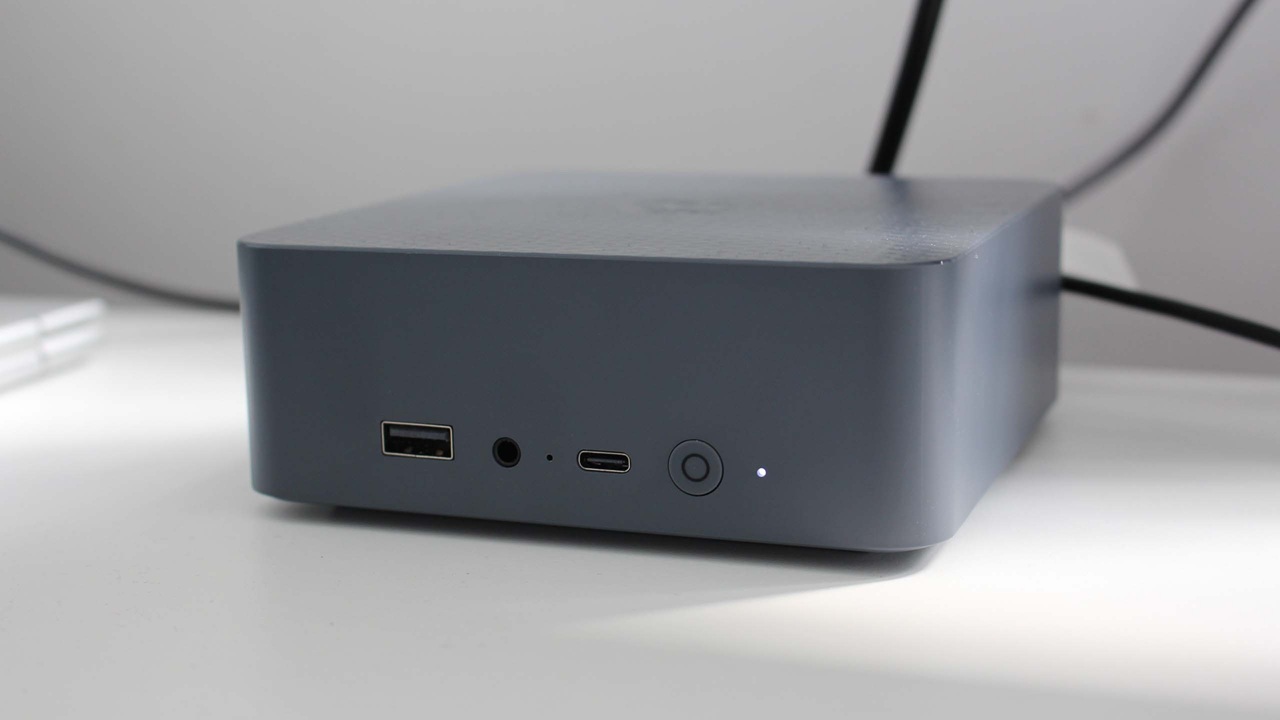
Walk into any electronics store or browse online in 2026, and you will notice something interesting. The giant tower PCs that once dominated desks are no longer the only obvious choice. Sitting beside them are tiny machines that look almost too small to be real computers. These are mini PCs, and they have quietly become powerful enough to compete with traditional desktops for many users.
So the real question is not which one is better in general, but which one makes more sense for you.
I have used both setups over the past few years, from bulky desktops under a desk to compact mini PCs mounted behind a monitor. The difference is not just in size. It changes how you work, how your desk looks, and even how much you spend in the long run.
Let’s break this down in a way that actually helps you decide.
What Is a Mini PC in 2026?

A mini PC is exactly what it sounds like. It is a fully functional computer packed into a very small form factor. Most are about the size of a book, and some are even smaller.
In 2026, mini PCs are no longer underpowered. Many now come with:
- Latest Intel Core Ultra or AMD Ryzen AI chips
- Built in AI acceleration for productivity tools
- Fast NVMe SSD storage
- Support for multiple 4K displays
- Efficient cooling systems that keep noise low
Brands like Intel NUC, ASUS, Apple Mac Mini, and several emerging manufacturers have pushed mini PCs into mainstream use.
What surprises most people is how capable these machines are for everyday work.
What Defines a Traditional Desktop Today?
Traditional desktops are the classic tower PCs. They are larger, more customizable, and still the go to option for power users.
A modern desktop typically includes:
- Dedicated graphics cards for gaming and rendering
- Larger power supplies for sustained performance
- Expandable RAM and storage
- Advanced cooling systems for heavy workloads
While they take up more space, they still dominate areas where raw performance matters.
Performance: Small Size vs Raw Power
This is where most people assume desktops always win. That is not entirely true anymore, but it depends on what you need.
Mini PCs have become incredibly fast for tasks like:
- Web browsing with dozens of tabs
- Office work and productivity tools
- Light video editing
- Programming and development
- Media streaming and home entertainment
For these tasks, a good mini PC feels just as fast as a desktop.
However, desktops still have a clear advantage when it comes to:
- High end gaming with dedicated GPUs
- 3D rendering and animation
- Large scale video editing projects
- Machine learning workloads
If your work pushes hardware to its limits, a traditional desktop is still the safer choice.
A simple way to think about it is this. Mini PCs are fast enough for most people. Desktops are built for people who need more than enough.
Space and Setup: The Biggest Lifestyle Difference
This is where mini PCs quietly win over a lot of users.
A desktop tower takes space. Not just on the floor, but in terms of cable management and airflow. You need to think about where it sits, how it cools, and how it fits into your room.
A mini PC changes that completely.
You can:
- Mount it behind your monitor
- Place it on a small shelf
- Carry it in a backpack
- Keep your desk clean and minimal
If you care about aesthetics or have a small workspace, this alone can make the decision for you.
There is something satisfying about having a clean desk with just a monitor, keyboard, and mouse. Once you get used to it, going back to a bulky setup feels outdated.
Upgradeability: Where Desktops Still Rule
Here is the honest truth. If you like upgrading your PC piece by piece, mini PCs are not built for you.
Most mini PCs allow limited upgrades like:
- RAM upgrades
- SSD replacement
But that is usually it.
You cannot easily swap the CPU or add a powerful GPU. Some models support external GPUs, but that adds cost and complexity.
Desktops, on the other hand, are all about flexibility.
You can upgrade:
- Graphics cards
- Processors
- Cooling systems
- Power supplies
- Storage in multiple configurations
This makes desktops a long term investment for enthusiasts. You can keep improving them without replacing the entire system.
Price: What Do You Really Pay in 2026?
Pricing has become more competitive than ever.
Mini PCs can range from budget friendly to premium, depending on specs. For basic to mid range use, they often offer excellent value because you are not paying for extra components like large cases or high wattage power supplies.
However, high end mini PCs with powerful chips can get surprisingly expensive.
Desktops give you more control over where your money goes. You can build a system tailored to your budget and priorities.
For example:
- Spend more on a GPU if you are a gamer
- Save on storage if you use cloud services
- Upgrade later instead of paying upfront
So while mini PCs are great for convenience, desktops can be more cost efficient in the long run for power users.
Power Efficiency and Noise
This is an area where mini PCs shine.
Because they use laptop grade or optimized components, mini PCs:
- Consume less electricity
- Generate less heat
- Run quieter
If you work in a quiet environment or keep your PC on all day, this makes a noticeable difference.
Desktops, especially high performance ones, can be louder and consume more power. That said, modern cooling solutions have improved a lot, so noise is less of an issue than it used to be.
Still, if silence and efficiency matter to you, mini PCs have the edge.
Portability: A Hidden Advantage
Desktops are not meant to move. Once they are set up, they stay there.
Mini PCs, however, are surprisingly portable.
You can:
- Carry them between home and office
- Use them for travel setups
- Easily relocate your workstation
This flexibility is often overlooked but becomes very valuable once you experience it.
Real World Use Cases: Which One Fits You?
Instead of thinking in technical terms, it helps to look at real scenarios.
Choose a Mini PC if you:
- Work from home and want a clean setup
- Use your computer for browsing, office work, and media
- Have limited space
- Prefer a quiet and energy efficient system
- Do not plan to upgrade frequently
Choose a Desktop if you:
- Are a gamer who needs high frame rates
- Work with heavy video editing or 3D tools
- Want full control over upgrades
- Need maximum performance without compromise
- Enjoy building and customizing PCs
The Rise of AI PCs and Its Impact
One big change in 2026 is the rise of AI integrated processors.
Mini PCs are benefiting a lot from this shift. Many now include built in AI engines that handle tasks like:
- Image enhancement
- Voice processing
- Smart productivity features
This makes them even more capable for everyday users.
Desktops also support AI workloads, but they often rely on powerful GPUs. That means higher cost and power consumption.
For casual AI use, mini PCs are becoming surprisingly practical.
Longevity and Future Proofing
If you are thinking long term, desktops still have an advantage because of upgradeability.
You can replace parts as technology evolves, which extends the life of your system.
Mini PCs, while durable, are more like laptops. When they become outdated, you are more likely to replace the entire unit.
That said, with how fast technology evolves, many users are comfortable upgrading every few years anyway. For them, the simplicity of a mini PC is worth it.
Final Verdict: Which One Should You Buy in 2026?
There is no universal winner here, and that is actually a good thing.
Mini PCs have grown into a powerful, practical choice for most users. They are perfect for modern workflows where space, efficiency, and simplicity matter.
Traditional desktops still dominate in areas where performance and customization are critical.
If you want a clean, quiet, and capable machine that just works, go for a mini PC.
If you want power, flexibility, and the ability to upgrade over time, a desktop is still the better investment.
In the end, the best computer is the one that fits your life, not just your specs sheet.
Walk into any electronics store or scroll through your favorite tech site, and you will see familiar names powering almost Read more
Walk into any electronics store today and you will see rows of sleek laptops and compact desktops that look impressive Read more
Quantum computing has been “just a few years away” for what feels like decades. Yet, if you look closely at Read more
If you have upgraded a laptop or built a PC anytime in the last few years, you have probably noticed Read more

At AutoTechXpert.in, we're passionate about all things automotive—from the latest car launches and cutting-edge EV tech to in-depth reviews and performance insights. Our editorial team is made up of seasoned auto journalists, tech enthusiasts, and driving purists who live and breathe the road. With years of industry experience, we break down complex car jargon into real, relatable advice to help you make smarter automotive decisions.