
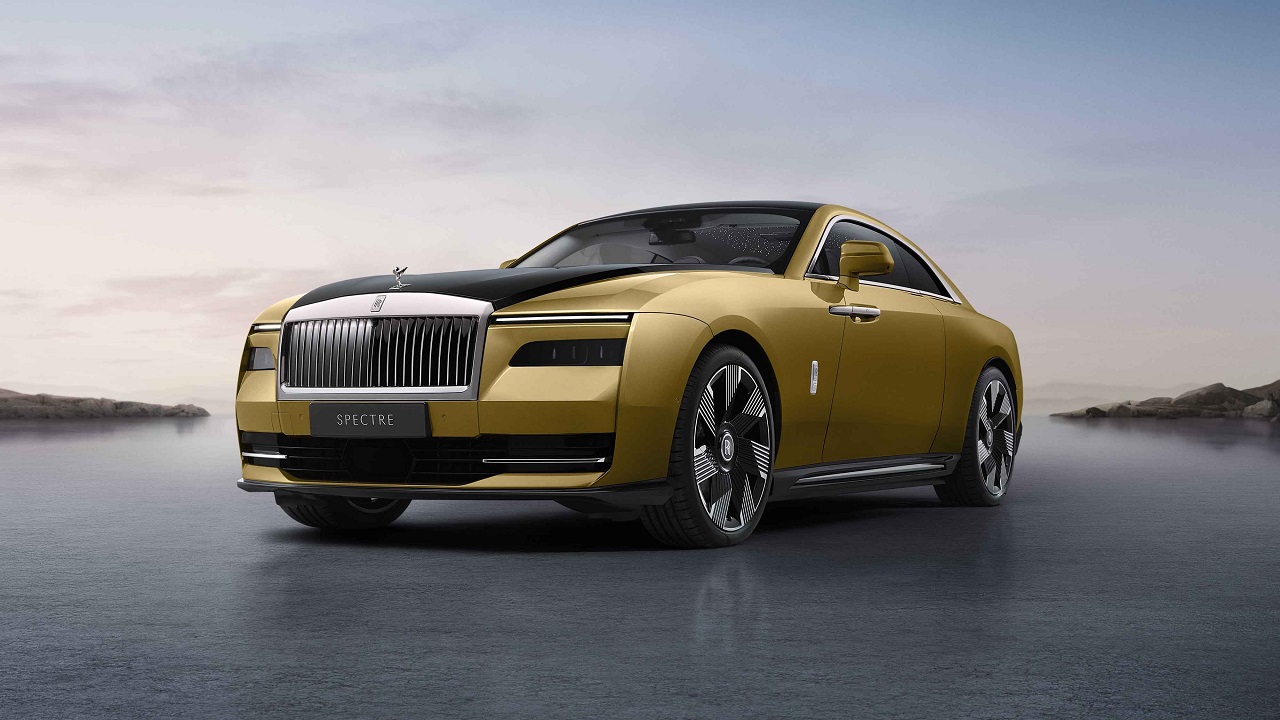
A major shake up could be coming to the Indian car market. If all goes as planned, imported luxury and premium cars could become significantly cheaper in the near future. India is reportedly considering a massive reduction in import duties, and the auto industry is buzzing with anticipation. Here’s what’s happening and why it might completely change how we buy cars in India.
India May Cut Car Import Duties to Just 10 Percent Under EU Trade Deal
The Indian government is currently in advanced talks with the European Union over a Free Trade Agreement (FTA) that could lead to a drastic reduction in import duties on fully built up (CBU) vehicles. This move could slash the current 100 percent import tax to just 10 percent, provided the cars are manufactured in the EU and meet specific criteria.
Let’s break down the key details and what it could mean for buyers, automakers, and the overall market.
1. Current Import Duty Structure: Why Are Luxury Cars So Expensive?
As of now, India levies some of the highest import taxes in the world on CBUs (Completely Built Units). Here’s how it looks:
- Basic Customs Duty: 60 to 100 percent depending on engine size and cost
- GST and Cess: Can go up to 50 percent
- Total Tax Burden: Often exceeds 100 to 120 percent on high end imports
This makes luxury vehicles from brands like BMW, Audi, Mercedes Benz, Porsche, and Tesla nearly twice as expensive in India as they are in Europe or the US. It’s a major reason why premium car sales are relatively low, despite a growing base of affluent customers.
2. What’s Changing Under the Proposed EU India Trade Deal?
If finalized, the EU India FTA will include a provision to significantly reduce customs duties on imported cars over a phased period. Here’s what’s being proposed:
- CBU cars from the EU priced above $80,000 (approximately Rs 66 lakh) will get duty reduction to 10 percent
- The lower duty will be implemented gradually over a period of 5 to 7 years
- Cars must meet a minimum local value addition of 30 percent in the EU to qualify
- The policy may include a limited annual quota to prevent market flooding
This approach is designed to support premium European brands while safeguarding domestic manufacturers.
3. Impact on Luxury Car Prices and Buyers in India
If this policy is implemented, expect significant price cuts on many premium models. Here’s how buyers stand to benefit:
- A BMW 7 Series or Audi Q8, currently priced over Rs 1.5 crore, could drop by Rs 30 to 40 lakh
- Ultra luxury models like the Porsche Cayenne Coupe or Mercedes Benz GLS Maybach could see similar reductions
- Even with phased reductions, the psychological barrier of sky high pricing will ease, bringing more buyers into the luxury segment
You’ll love this update if you’ve been dreaming of owning a German machine but couldn’t justify the inflated Indian prices.
4. What About Tesla and Other Non EU Brands?
This proposal is specific to European made cars, so Tesla and other American or Japanese brands won’t benefit directly unless similar FTAs are signed. However, this move could put pressure on India to strike similar deals with other trade partners, especially given Tesla’s ongoing discussions with the Indian government.
That means:
- Tesla’s India entry could speed up if a broader import duty framework is revised
- Japanese and Korean luxury brands might lobby for parity, or consider local assembly to stay competitive
5. Concerns of Indian Carmakers: Will It Hurt Make in India?
Not everyone is cheering. Domestic and mass market manufacturers like Maruti Suzuki, Tata Motors, and Mahindra may feel the pressure. Their concerns include:
- Loss of price competitiveness in the premium segment
- Risk of foreign luxury brands bypassing local production
- Negative impact on long term investments in local R&D and manufacturing
To address this, the government is expected to limit the number of vehicles that qualify for low duty imports and phase in the changes gradually, giving Indian companies time to adapt.
6. Why Is India Doing This Now? The Bigger Picture
India has been working toward signing mutually beneficial FTAs with major global economies. For the EU, access to India’s growing market is key. For India, it’s a chance to boost exports, gain technology access, and improve trade balance.
From an automotive perspective, this move could:
- Attract more premium automakers to enter or expand in India
- Encourage greater variety and competition in the luxury segment
- Push local brands to elevate their quality and innovation game
The timing also aligns with India’s ambitions to modernize its auto sector, attract foreign investment, and promote EV adoption, especially in the luxury category.
Conclusion: What Should Buyers and Enthusiasts Expect Next?
While the deal is not finalized yet, the direction is clear. India is preparing to open its doors wider to high-end European cars, and that could trigger a pricing revolution in the premium segment.
If you’re planning to buy a luxury car in the next year or two, waiting could pay off big. A 10 percent import duty on CBUs would make several dream cars far more attainable. That said, the impact will likely roll out in phases, and not all brands or models may qualify immediately.
This is one of the most significant updates for the Indian auto industry in years, and it could be the start of a new era for premium car buyers in the country. Keep an eye out for official announcements, and if you’ve had your eye on a luxury badge, this could be your moment.
While nothing is final yet, this potential duty reduction represents one of the most significant changes to India’s auto policy in decades. Whether you’re a luxury car shopper or just curious about market trends, this is a development worth watching closely. Stay tuned as we’ll be updating this story as more details emerge!

You’re a motorcycle nut like me, always on the lookout for the next ride that’s going to make your heart Read more

Toyota has officially pulled the wraps off a new GR86 Special Edition, and it is everything a driving enthusiast could Read more

The Tata Curvv, one of the brand’s most anticipated upcoming SUVs, has been spotted once again during testing. But this Read more

In a major leap for India’s aerospace manufacturing ambitions, Mahindra has signed a landmark deal with Airbus to manufacture helicopter Read more

At AutoTechXpert.in, we're passionate about all things automotive—from the latest car launches and cutting-edge EV tech to in-depth reviews and performance insights. Our editorial team is made up of seasoned auto journalists, tech enthusiasts, and driving purists who live and breathe the road. With years of industry experience, we break down complex car jargon into real, relatable advice to help you make smarter automotive decisions.