

Walk into any office, college lab, gaming café, or even a small home setup, and chances are high you will see Windows running on most machines. Despite years of competition from macOS, Linux, and now even cloud based systems, Windows continues to hold a commanding position in the PC market in 2026.
This dominance is not accidental. It is the result of decades of ecosystem building, continuous adaptation, and a deep understanding of what users actually need in real life. While tech headlines often highlight flashy innovations from competitors, Windows quietly remains the backbone of everyday computing.
So what exactly keeps Windows on top, even today? Let’s break it down in a way that goes beyond the usual surface level answers.
A Legacy That Still Works in the Modern World
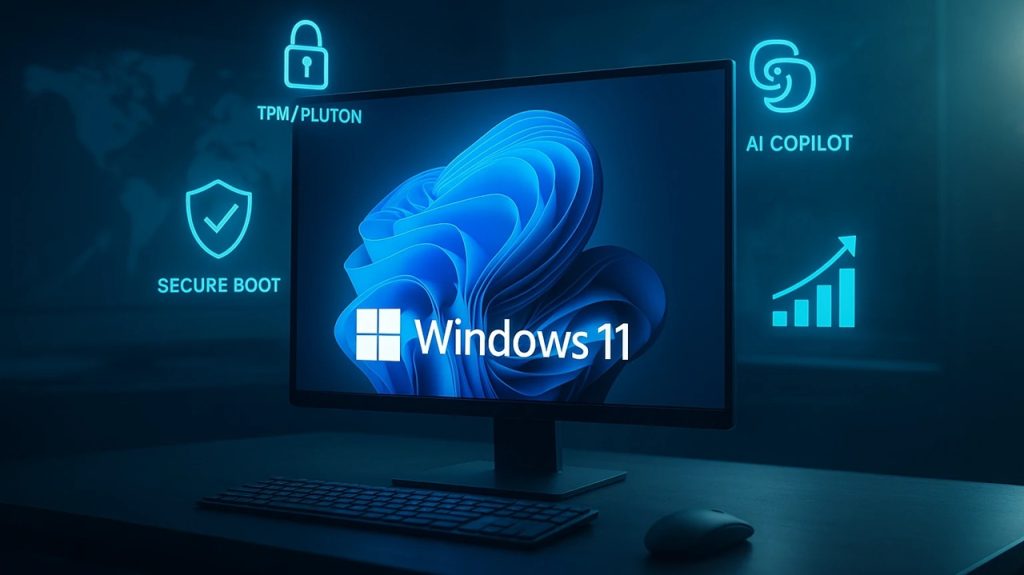
One of the biggest reasons Windows continues to dominate is something many people overlook: backward compatibility.
Businesses and individuals alike rely on software that was built years, sometimes decades ago. Accounting tools, custom enterprise applications, legacy systems in hospitals and government offices, these are not easily replaceable.
Windows understands this better than anyone.
Even in 2026, many Windows systems can still run older programs without major issues. That means companies do not have to rebuild everything from scratch just to upgrade their operating system. This saves time, money, and risk.
For a small business owner, this might mean continuing to use a trusted billing system from 2015. For a large corporation, it could mean preserving millions invested in custom software. Either way, Windows becomes the safer, more practical choice.
Hardware Freedom That No One Else Matches
Unlike its competitors, Windows is not locked into a single ecosystem of devices. It runs on everything from budget laptops to high end gaming rigs and enterprise workstations.
This flexibility matters more than people realize.
A student in India can buy an affordable laptop and still get the full Windows experience. A video editor can build a custom PC with powerful GPUs. A company can deploy thousands of desktops with different configurations depending on department needs.
This range creates a massive advantage.
Instead of forcing users into a fixed hardware lineup, Windows adapts to what people can afford and what they actually need. It is this openness that has allowed it to scale across different markets, income levels, and use cases.
Gaming Still Belongs to Windows
If there is one area where Windows remains unbeatable, it is gaming.
In 2026, PC gaming is bigger than ever. From competitive esports to immersive AAA titles and indie hits, most games are still built with Windows in mind first.
Technologies like DirectX continue to evolve, offering better graphics performance, lower latency, and smoother gameplay. Game developers optimize for Windows because that is where the majority of players are.
Even with the rise of cloud gaming, local performance still matters. Gamers want control over settings, mods, frame rates, and hardware upgrades. Windows delivers all of that without restrictions.
There is also the ecosystem factor. Platforms like Steam, Epic Games Store, and Xbox integration all work seamlessly on Windows. Add in modding communities and custom tools, and you get a gaming environment that simply does not exist elsewhere.
For many users, gaming alone is enough reason to stay on Windows.
Business and Enterprise Dependence
Windows is deeply embedded in the corporate world.
From small startups to multinational corporations, Windows remains the default operating system for business operations. Tools like Microsoft Office, Teams, Azure integration, and enterprise security frameworks are tightly connected to the Windows environment.
But it is not just about software. IT departments are trained around Windows. Infrastructure is built around it. Support systems are designed with it in mind.
Switching away from Windows is not just a technical decision, it is a logistical challenge.
In 2026, hybrid work has become the norm. Employees work from home, offices, and on the move. Windows has adapted well to this shift with better remote desktop capabilities, cloud syncing, and security features that fit modern workflows.
For businesses, reliability and familiarity often matter more than novelty. Windows provides both.
Continuous Evolution Without Alienating Users
One of Microsoft’s smartest strategies has been evolving Windows without completely breaking the user experience.
Yes, there have been controversial updates over the years, but overall, Windows maintains a sense of familiarity. The Start menu may change design, settings may move around, but the core experience remains recognizable.
This balance is crucial.
Users do not want to relearn everything every few years. At the same time, they expect improvements in performance, security, and design. Windows manages to walk this line better than most platforms.
In recent versions leading up to 2026, Microsoft has focused heavily on performance optimization, AI integration, and cleaner interfaces. Features like smarter search, AI assisted workflows, and better multitasking tools have been added without overwhelming the user.
It feels like an upgrade, not a disruption.
Software Ecosystem That Covers Everything
Another major reason for Windows dominance is its unmatched software library.
No matter what you want to do, there is almost always a Windows application for it.
Programming, video editing, music production, 3D modeling, gaming, office work, data analysis, you name it. Developers prioritize Windows because of its massive user base, which in turn attracts more users. It is a cycle that reinforces itself.
Even niche tools are often available on Windows first, if not exclusively.
For example, many engineering and architecture applications are designed primarily for Windows. Certain financial tools and enterprise software also rely on Windows environments.
This breadth of software ensures that users rarely feel limited.
Strong Push Into AI and Future Tech
In 2026, artificial intelligence is no longer optional. It is becoming a core part of how operating systems function.
Microsoft has leaned heavily into this trend.
Windows now integrates AI features that assist with productivity, automate routine tasks, and enhance user experience. From smart file organization to AI powered search and contextual suggestions, these tools are becoming part of everyday workflows.
What sets Windows apart is how these features are integrated into an already familiar system.
Instead of forcing users into entirely new ways of working, AI enhancements are layered into existing processes. This makes adoption smoother and more practical.
For businesses and individuals alike, this means getting the benefits of AI without a steep learning curve.
Global Reach and Accessibility
Windows has a presence that few platforms can match.
It is used in developed markets, emerging economies, educational institutions, and government systems worldwide. Its ability to run on low cost hardware plays a big role in this reach.
In many parts of the world, Windows is often the first computing experience people have.
This creates long term loyalty. Once users become comfortable with Windows, they are more likely to continue using it in the future.
Microsoft has also invested in localization, making Windows accessible in multiple languages and regions. This global approach helps maintain its position across diverse markets.
The Familiarity Factor
Sometimes the simplest reason is the most powerful.
People stick with what they know.
Windows has been around for decades, and generations of users have grown up with it. From school assignments to office work and gaming, it has been a constant presence.
This familiarity reduces friction.
When someone buys a new PC, they do not want to spend hours learning a completely new system. With Windows, they can get started almost immediately.
Even for tech savvy users who explore other platforms, many still return to Windows for its convenience and versatility.
Competition Is Strong but Not Enough
It would be wrong to say Windows has no competition.
macOS offers a polished and optimized experience, especially within the Apple ecosystem. Linux provides flexibility and control for developers and enthusiasts. ChromeOS has carved out a space in education and lightweight computing.
But each of these platforms has limitations.
macOS is tied to Apple hardware, which limits accessibility. Linux can be intimidating for average users. ChromeOS depends heavily on internet connectivity and cloud services.
Windows sits in the middle.
It offers flexibility, power, compatibility, and accessibility all at once. While it may not be perfect in every area, it performs well across almost all of them.
That balance is what keeps it ahead.
Looking Ahead: Will Windows Stay on Top?
The tech landscape is always changing. Cloud computing, AI, and new device categories are reshaping how we think about operating systems.
But if there is one thing Windows has proven over the years, it is adaptability.
Microsoft has shown a willingness to evolve, whether it is through design updates, cloud integration, or AI driven features. As long as it continues to listen to users and adapt to real world needs, Windows is likely to remain a dominant force.
That does not mean it can afford to stand still. Competition will keep pushing it forward.
For now, though, Windows in 2026 is not just surviving, it is still leading.
Final Thoughts
Windows dominates the PC market in 2026 not because it is perfect, but because it is practical.
It works across different devices, supports an enormous range of software, and fits into both personal and professional environments. It evolves without leaving users behind and continues to adapt to new technologies like AI.
For many people, choosing an operating system is not about chasing trends. It is about reliability, flexibility, and getting things done without unnecessary complications.
That is exactly what Windows continues to deliver.
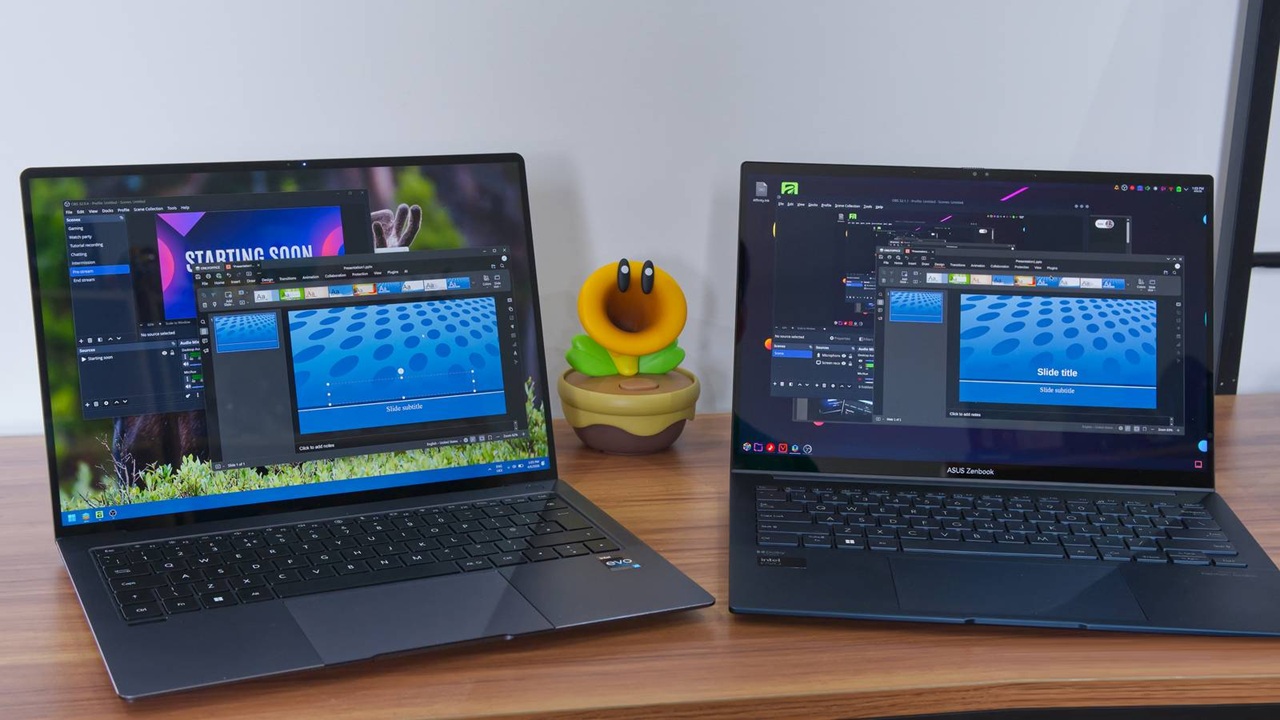
Choosing an operating system in 2026 is no longer a simple decision. It is not just about what looks better Read more
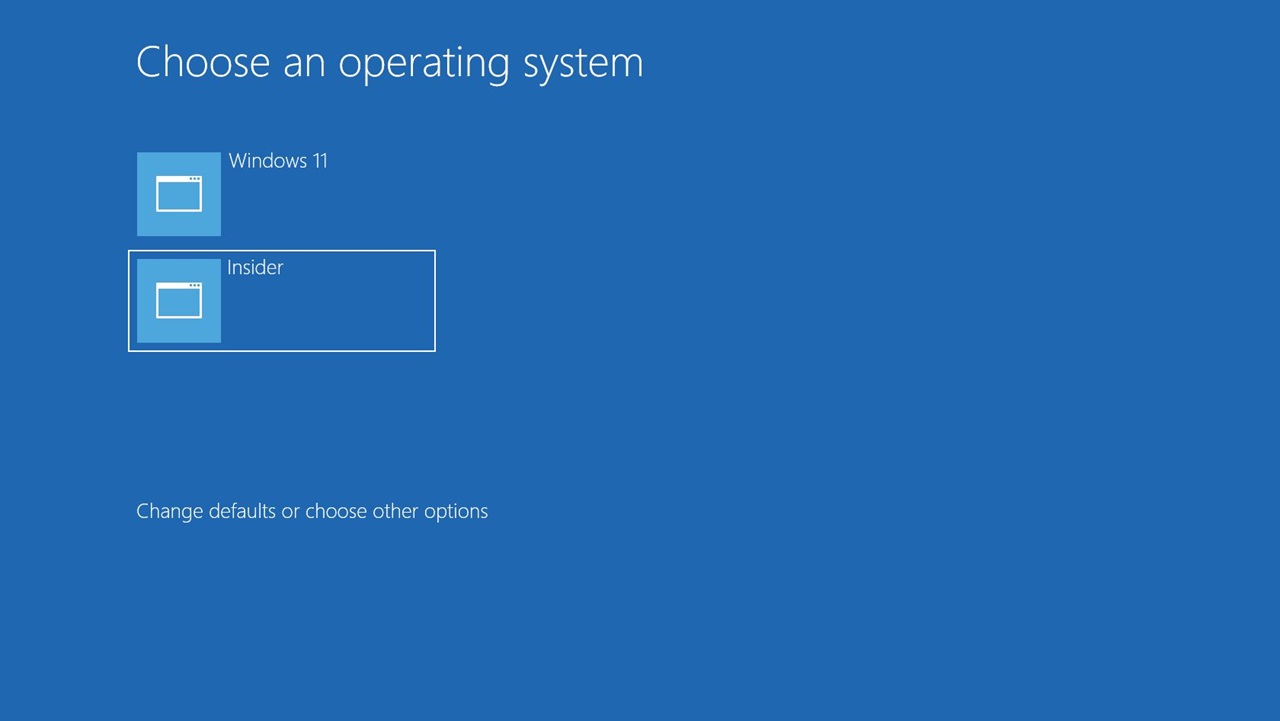
If you have ever wanted to explore Linux without giving up Windows 11, dual booting is the perfect solution. It Read more
Windows 11 looks modern, feels smooth, and brings a lot of improvements over older versions. But if you’ve used it Read more
If you have been using Windows for a while, you probably know how quickly software costs can add up. A Read more

At AutoTechXpert.in, we're passionate about all things automotive—from the latest car launches and cutting-edge EV tech to in-depth reviews and performance insights. Our editorial team is made up of seasoned auto journalists, tech enthusiasts, and driving purists who live and breathe the road. With years of industry experience, we break down complex car jargon into real, relatable advice to help you make smarter automotive decisions.